|
The Messier Data Bank is a quick reference guide to the Messier Catalogue. It allows you to quickly access info about the objects and to filter based on constellation or object type.
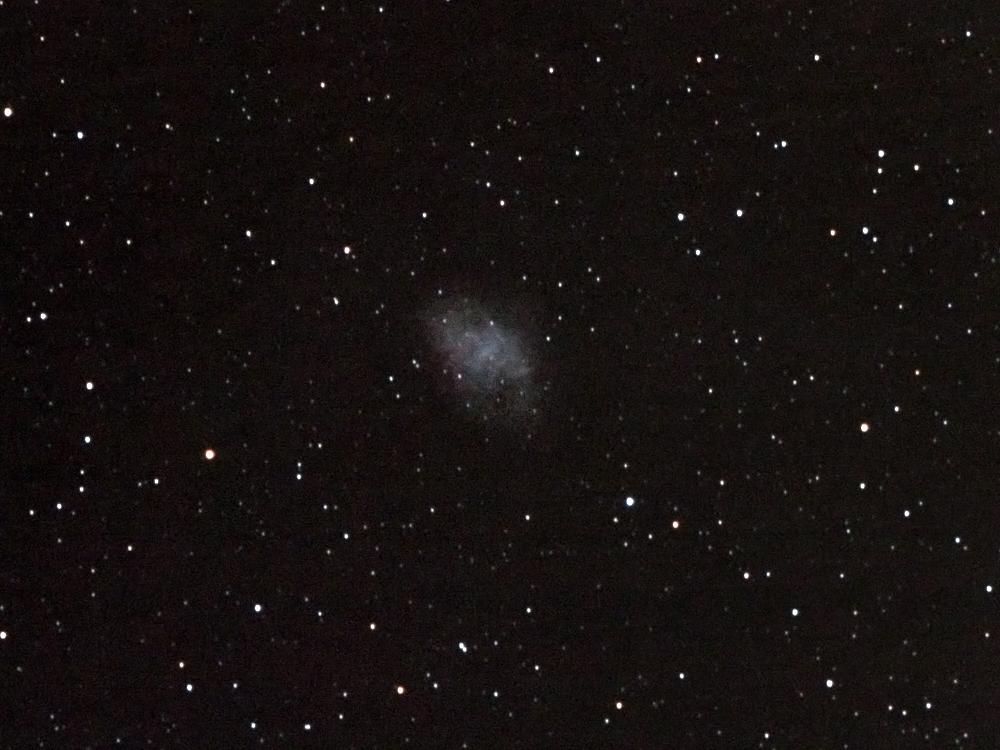
 | M1 - The Crab Nebula Constellation: Type: | Taurus Supernova Remnant | Magnitude: Distance: | 8.40 6,500 light-years |
M1, also known as The Crab Nebula, is a beautiful supernova remnant in the constellation Taurus. It consists of material ejected in a violent supernova explosion. This explosion was observed by both Chinese and Arab astronomers on July 4, 1054. The resultant cloud of gas is still expanding at a very high velocity and is now spread over a volume approximately ten light years in diameter. The resulting nebula was named the “Crab Nebula” based on a drawing by Lord Rosse in 1844 which looked like a crab.
The Crab Nebula was first observed by John Bevis in 1731, but rediscovered by Charles Messier in 1758.nnIt is a strong source of X-ray and gamma ray radiation and at its center is a pulsar, the Crab Pulsar, which is the remains of its former star. This pulsar is approximately 30 kilometers in diameter and spins at a rate of 30.2 times per second. | |
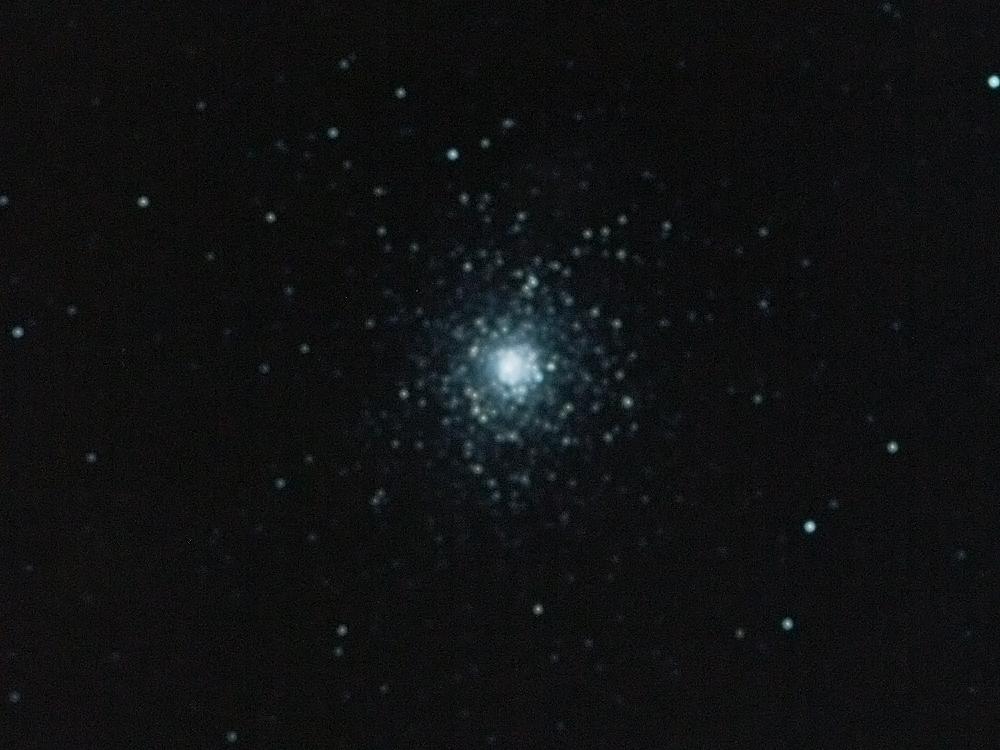
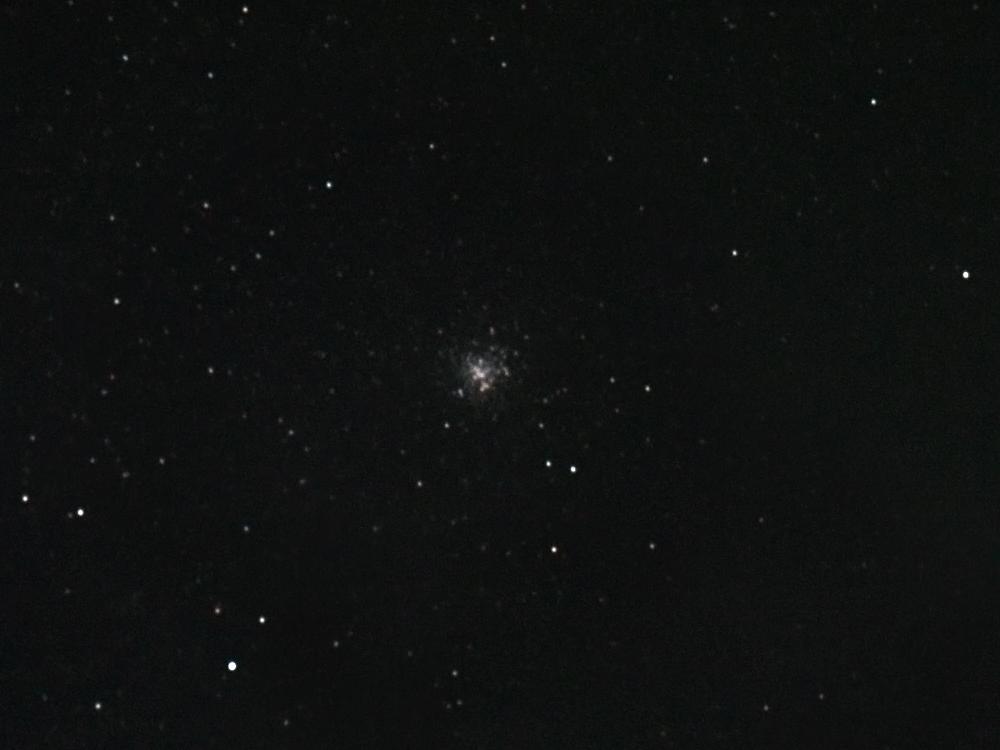
 | M2 Constellation: Type: | Aquarius Globular Cluster | Magnitude: Distance: | 6.30 37,500 light-years |
M2 is a globular cluster in the constellation Aquarius. It was discovered in 1746 by Jean-Dominique Maraldi while observing a comet and was rediscovered in 1760 by Charles Messier. | |
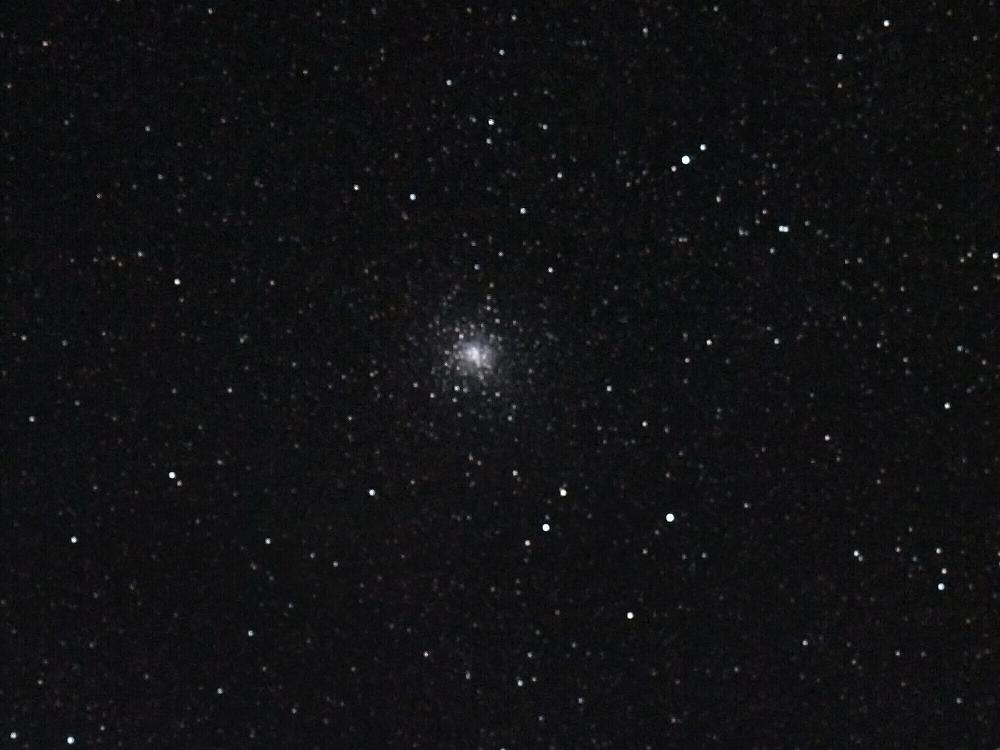
 | M3 Constellation: Type: | Canes Venatici Globular Cluster | Magnitude: Distance: | 6.20 33,900 light-years |
M3 is a globular cluster in the constellation Canes Venatici. Discovered in 1764 by Charles Messier, it was first resolved into stars by William Herschel around 1784. nnIt is situated in the Galactic halo, about 40,000 light years from the Galactic Center. | |
 | M4 Constellation: Type: | Scorpius Globular Cluster | Magnitude: Distance: | 7.12 7,200 light-years |
M4 is a globular cluster in the constellation Scorpius. Phillippe Loys de Chéseaux discovered M4 in 1746 and it was catalogued by Charles Messier in 1746. nnAt only 7,200 light years away it is one of the closest globular clusters to the Solar System and is one of the easiest globular clusters to locate in the sky. It would be one of the most spectacular globular clusters in the sky if it weren’t obscured by clouds of dark interstellar matter. | |
 | M5 Constellation: Type: | Serpens Globular Cluster | Magnitude: Distance: | 6.65 24,500 light-years |
M5 is a globular cluster in the constellation Serpens. It was first observed by Gottfried Kirch and his wife Maria Margarethe in 1702 while observing a comet. If was later discovered independently by Charles Messier in 1764, who described it as a round nebula without any stars. William Herschel was able to resolve the cluster into stars with his 40 foot reflector in 1791.
With a diameter of 165 light-years, M5 is one of the larger globular clusters and contains 105 stars that are known to be variable in brightness. | |
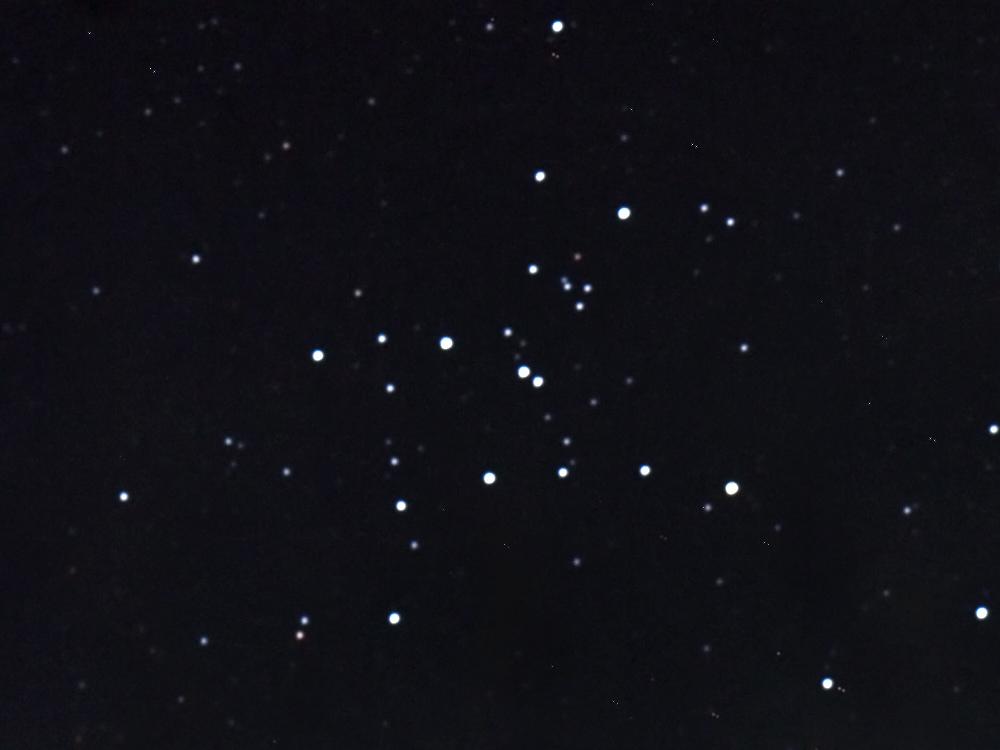
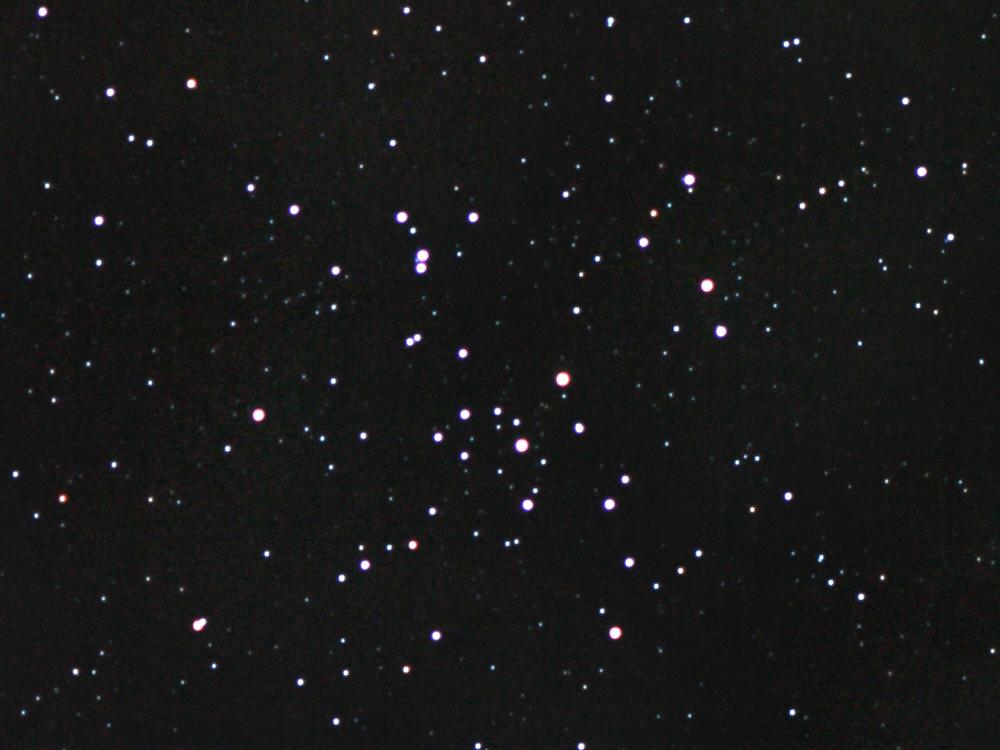
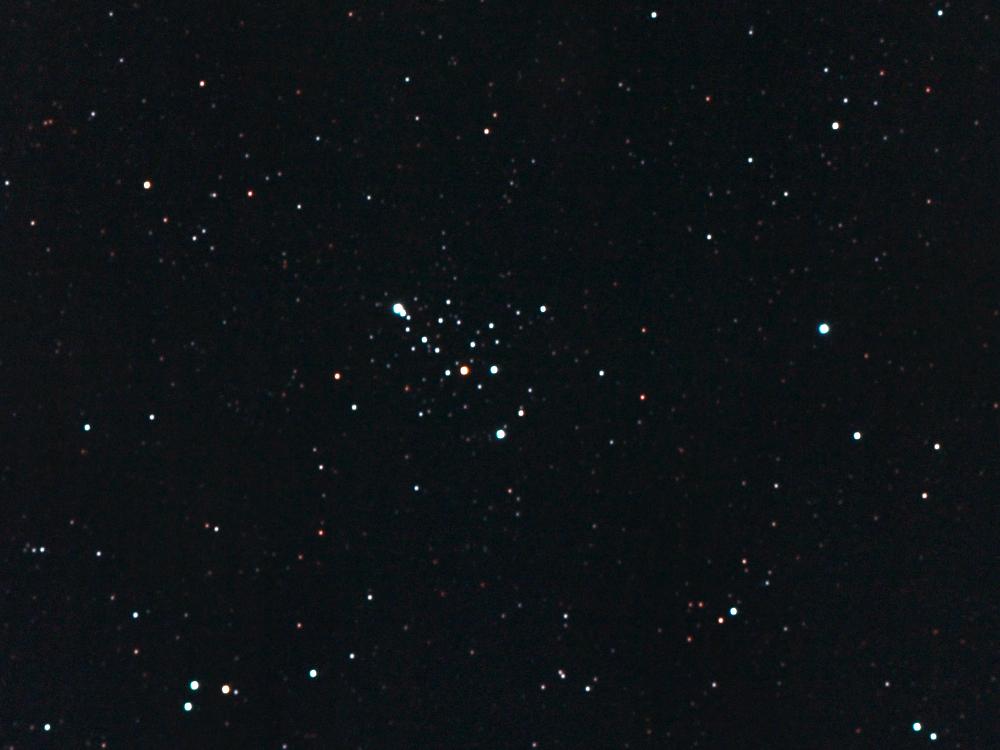
 | M6 - The Butterfly Cluster Constellation: Type: | Scorpius Open Cluster | Magnitude: Distance: | 4.20 1,600 light-years |
M6, also known as the Butterfly Cluster, is an open cluster in the constellation Scorpius. It gets its name from a supposed resemblance in its shape to that of a butterfly. Giovanni Battista Hodierna was the first astronomer to record its existence in 1654. It was later catalogued by Charles Messier in 1764.nnThe Butterfly Cluster is mostly composed of hot, blue type B stars, but it contains a prominent type K orange giant star, BM Scorpii, which contrasts with the surrounding stars in color photographs. | |
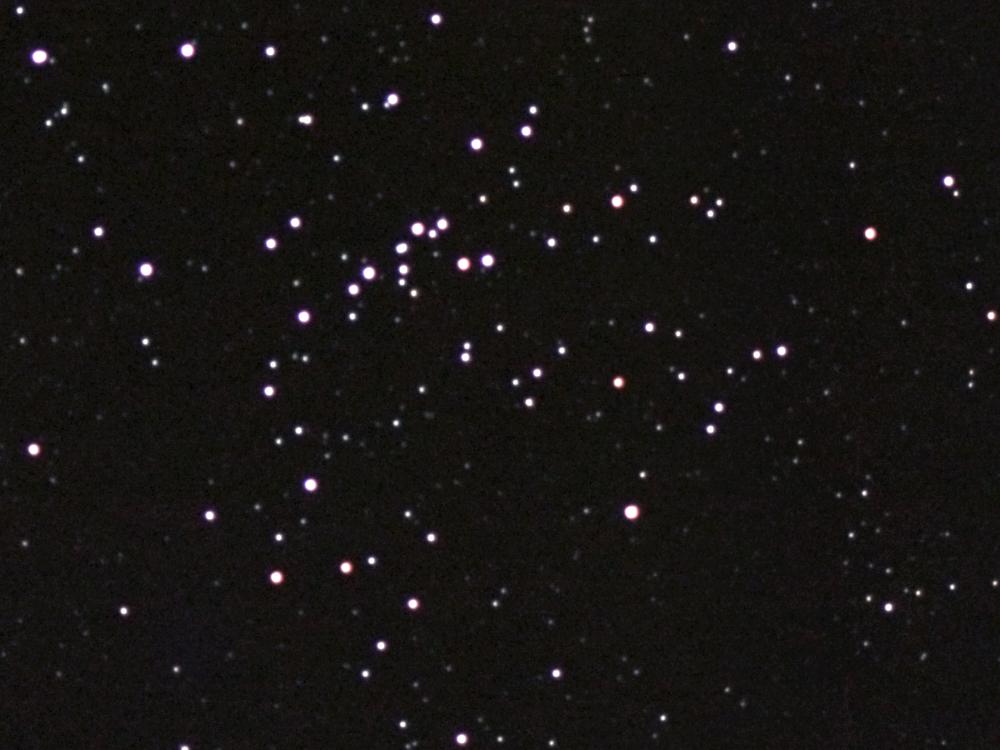
 | M7 - The Ptolemy Cluster Constellation: Type: | Scorpius Open Cluster | Magnitude: Distance: | 3.30 800 light-years |
M7, also know as the Ptolemy Cluster, is an open cluster in the constellation Scorpius. This cluster is easily seen with the naked eye and has been known since antiquity. The 1st century astronomer Ptolemy described it as the “nebula following the sting of Scorpius” in around 130 AD. Charles Messier included it in his catalog in 1764.
The Ptolemy Cluster consists of about 80 stars within a field of view of 1.3° across. Its age is estimated at around 220 million years. | |
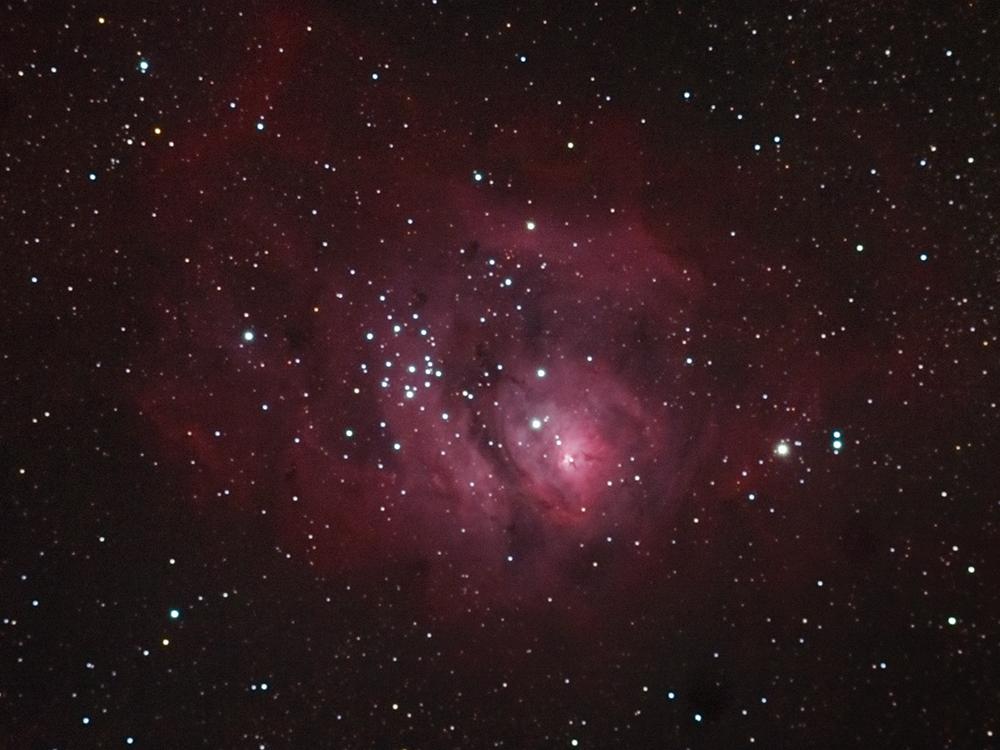
 | M8 - The Lagoon Nebula Constellation: Type: | Sagittarius Diffuse Nebula | Magnitude: Distance: | 6.00 4,100 light-years |
M8, also know as the Lagoon Nebula, is an emission nebula and H II region in the constellation Sagittarius. It was discovered by Guilaume Le Gentil in 1747 and was catalogued by Charles Messier in 1764.nnThe Lagoon Nebula is a rich star forming region and one of only two such nebulae visible with the naked eye in the northern hemisphere. A giant cloud of interstellar matter composes the nebula with a considerable group of newly formed stars forming a bright cluster. It is these newly formed stars that contribute the high energy radiation that causes the bright emission of the gas within the nebula. The nebula also contains remarkable features known as “Bok globules” which are collapsing protostellar matter.nnIn the center of the Lagoon Nebula is a feature known as the “Hourglass Nebula”, named by John Herschel, where the most active star formation appears to take place. | |
 | M9 Constellation: Type: | Ophiuchus Globular Cluster | Magnitude: Distance: | 8.40 25,800 light-years |
M9 is a globular cluster in the constellation Ophiuchus. It was one of the original discoveries of Charles Messier, who first catalogued it in 1764. William Herschel first resolved it into individual stars some twenty years later.nnIt is one of the nearer globular clusters to the Galactic Center, with an estimated distance of 5,500 light-years.n | |
 | M10 Constellation: Type: | Ophiuchus Globular Cluster | Magnitude: Distance: | 6.40 14,300 light-years |
M10 is a globular cluster in the constellation Ophiuchus. It was one of the original discoveries of Charles Messier, who first catalogued it in 1764. William Herschel first resolved it into individual stars. | |
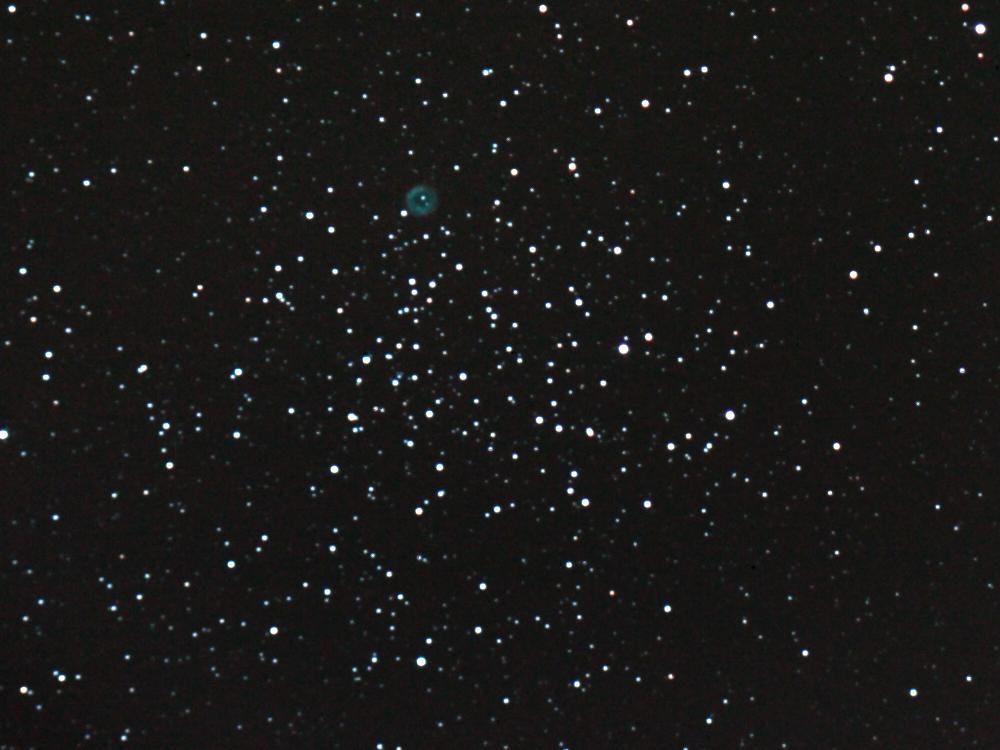
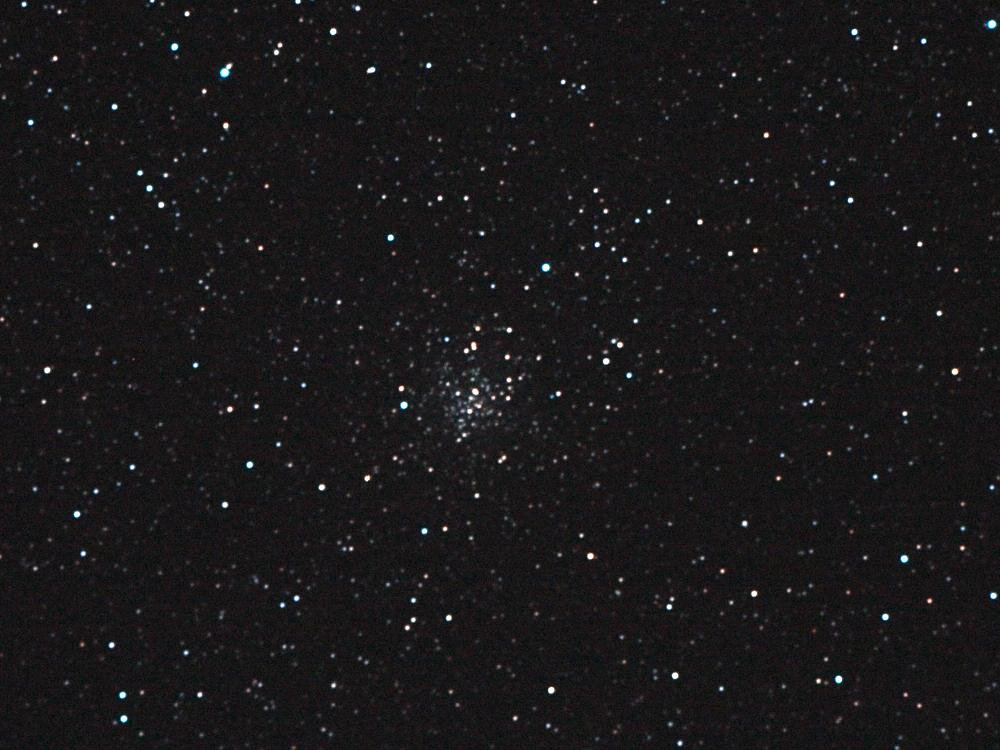
 | M11 - The Wild Duck Cluster Constellation: Type: | Scutum Open Cluster | Magnitude: Distance: | 6.30 6,200 light-years |
M11, also known as the Wild Duck Cluster, is an open cluster in the constellation Scutum. Discovered in 1681 by Gottfried Kirch, it was included by Charles Messier in his catalogue in 1764. William Derham was able to resolve it into stars in about 1733.nnThis cluster contains an estimated 2900 stars and is one of the richest and most compact open clusters. If a person were at the center of this cluster they would be able to see several hundred magnitude 1 stars. Its age is estimated at around 220 million years. | |
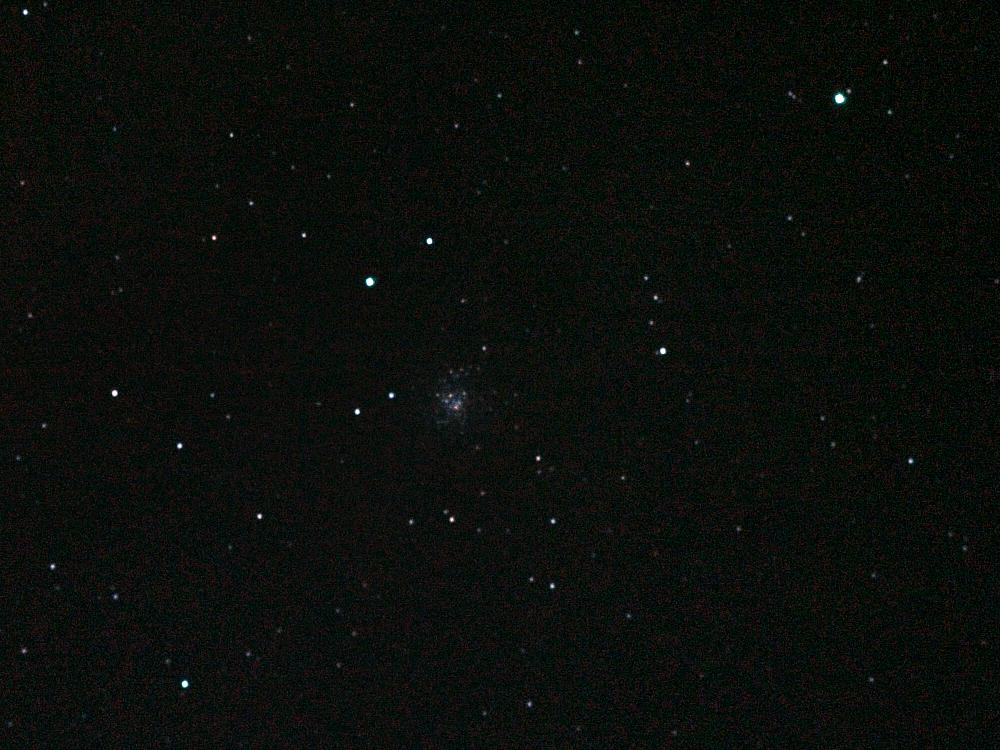
 | M12 - The Gumball Cluster Constellation: Type: | Ophiuchus Globular Cluster | Magnitude: Distance: | 7.68 16,000 light-years |
M12, also known as the Gumball Cluster, is a globular cluster in the constellation of Ophiuchus. Charles Messier discovered this cluster on May 30, 1764. William Herschel resolved it into stars in 1783.
This globular cluster in rather loosely packed and at one time was thought to be a tightly packed open cluster. In 2006 a study was published in which the authors asserted that the usually low number of low mass stars in this cluster was due to the gravitational influence of the Milky Way, which has stripped them out.n | |
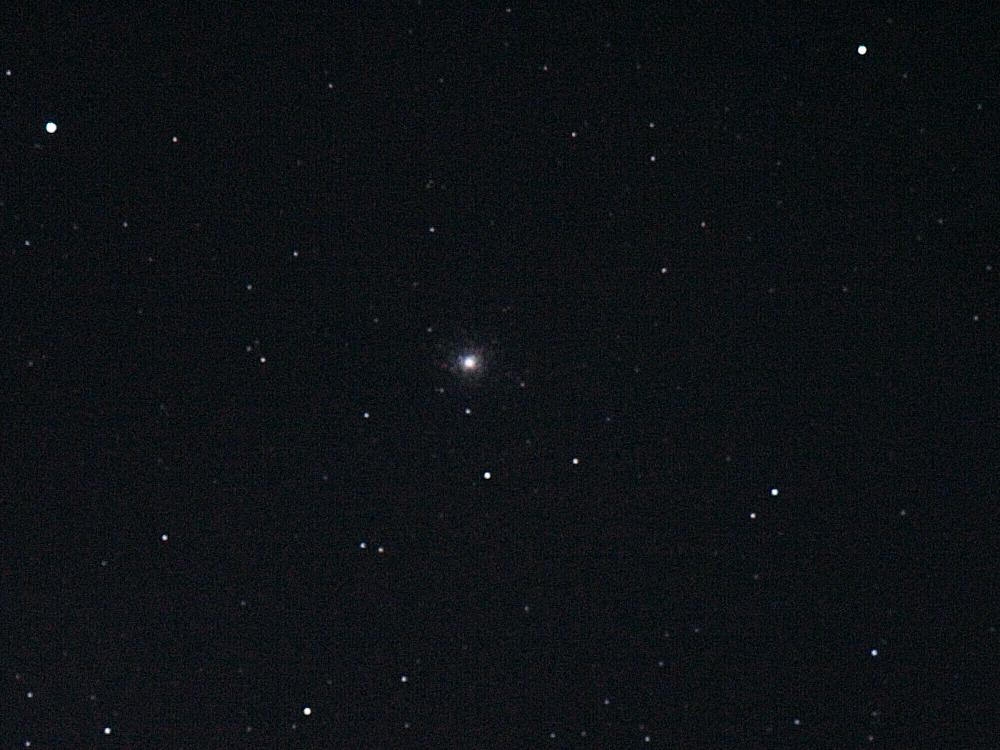
 | M13 - The Great Globular Cluster in Hercules Constellation: Type: | Hercules Globular Cluster | Magnitude: Distance: | 5.80 25,100 light-years |
M13, also called the Great Globular Cluster in Hercules or the Hercules Cluster, is probably the best known and most prominent globular cluster in the Northern Hemisphere. This cluster was discovered by Edmond Halley in 1714, who noted that “it shows itself to the naked eye when the sky is serene and the Moon absent”. Charles Messier cataloged it in 1764.nnComposed of several hundred thousand stars, the Hercules Cluster is about 145 light-years in diameter. | |
 | M14 Constellation: Type: | Ophiuchus Globular Cluster | Magnitude: Distance: | 8.32 30,300 light-years |
M14 is a globular cluster in the constellation Ophiuchus. Charles Messier discovered this globular cluster in 1764. William Herschel resolved it into stars in 1783. M14 contains several hundred thousand stars and is about 100 light-years in diameter. It is slightly elliptical in shape. | |
 | M15 - The Pegasus Cluster Constellation: Type: | Pegasus Globular Cluster | Magnitude: Distance: | 6.20 33,600 light-years |
M15, also known as the Pegasus Cluster, is a globular cluster the constellation Pegasus. Discovered in 1746 by Jean-Dominique, it was included by Charles Messier in his catalogue of comet-like objects in 1764.
M15 is one of the most conspicuous globular clusters in the Northern Hemisphere. It is believed to be the most densely packed star cluster in the Milky Way galaxy and its core has undergone “core collapse”, a contraction of an enormous number of stars into the center of the cluster. | |
 | M16 - The Eagle Nebula Constellation: Type: | Serpens Diffuse Nebula | Magnitude: Distance: | 6.00 7,000 light-years |
M16, also known as the Eagle Nebula or Star Queen Nebula, is an emission nebula within a star-forming region of dust and gas known as a H II region. Also contained within the nebula is a young open cluster of stars. It is situated in the constellation of Serpens. Philippe Loys de Chéseaux discovered the Eagle Nebula in 1745-46 and Charles Messier rediscovered it in 1764. It was first photographed by E.E.Barnard in 1895.
Only about 5.5 million years old, the Eagle Nebula is a region of active star formation resulting in the presence of young, hot stars. | |
 | M17 - The Omega Nebula Constellation: Type: | Sagittarius Diffuse Nebula | Magnitude: Distance: | 6.00 5,000-6,000 light-years |
M17, alternately known as the Omega Nebula or the Swan Nebula, is an H II region in the constellation Sagittarius. Philippe Loys de Chéseaux discovered the Omega Nebula in 1745 and Charles Messier catalogued it in 1764.
The Omega Nebula is located in Sagittarius against a background of rich starfields comprising the Milky Way. It is about 15 light-years in diameter and is situated within a cloud of interstellar matter that is about 40 light-years across. It has a mass of approximately 800 solar masses. In the heart of the nebula is an open cluster of 35 young, hot stars that cause the surrounding hydrogen gas to emit light, especially in the infrared range of the spectrum.n | |
 | M18 Constellation: Type: | Sagittarius Open Cluster | Magnitude: Distance: | 7.50 4,900 light-years |
M18 is an open cluster in the constellation Sagittarius. Charles Messier discovered this object in 1764. It is estimated to be 32 million years in age. | |
 | M19 Constellation: Type: | Ophiuchus Globular Cluster | Magnitude: Distance: | 7.47 28,000 light-years |
M19 is a globular cluster in the constellation Ophiuchus. Charles Messier discovered this object in 1764. William Herschel was able to resolve it into “countless stars of magnitude 14, 15, 16” in 1784.
At only 5,200 light-years, M19 is quite near to the Galactic Center. It is the most oblate globular cluster known. This flattening may be due to it’s close proximity to the Galactic Center. | |
 | M20 - The Trifid Nebula Constellation: Type: | Sagittarius Diffuse Nebula | Magnitude: Distance: | 6.30 5,200 light-years |
M20, also known as the Trifid Nebula, is an emission/reflection nebula and H II region in the constellation Sagittarius. It was discovered by Charles Messier on June 5th, 1764, who described it as a cluster of stars of 8th and 9th magnitude.
The Trifid Nebula is a bright and colorful object, and is remarkable not only for it’s beauty, but for the fact that it consists of both conspicuous emission nebula, which appear red, and prominent reflection nebula, which appear blue, components. A prominent dark nebula divides the emission nebula into its distinctive three lobed appearance. | |
 | M21 Constellation: Type: | Sagittarius Open Cluster | Magnitude: Distance: | 6.50 4,250 light-years |
M21 in an open cluster in the constellation Sagittarius. Discovered by Charles Messier, it was catalogued by him in 1764.
M21 is a tightly packed cluster of about 57 stars, some of which are blue giants. The majority of the stars in this cluster are small dim stars. | |
 | M22 Constellation: Type: | Sagittarius Globular Cluster | Magnitude: Distance: | 5.10 10,600 light-years |
M22 is a globular cluster in the constellation Sagittarius. It was discovered by Abraham Ihle in 1665, the first globular cluster to be discovered. Charles Messier added it to his catalog in 1764.nnWith a magnitude of 5.5, this globular cluster is the brightest visible from the northern hemisphere. It is situated near the Galactic bulge. One of the first globular clusters to be carefully studied, in 1930 Harlow Shapley discovered it contained approximately 70,000 stars and had a dense core.
Because of position in front of the galactic bulge, M22 is useful for its microlensing effect on background stars in the bulge. Recent Hubble Space Telescope investigations have revealed the presence of a large number of planet sized objects floating through this globular cluster.n | |
 | M23 Constellation: Type: | Sagittarius Open Cluster | Magnitude: Distance: | 6.90 2,150 light-years |
M23 is an open cluster in the constellation Sagittarius. Charles Messier discovered this cluster on June 20, 1764.
M23 contains around 150 stars and has a diameter of about 35 light-years. Among the rich starfields of the Sagittarius Milky Way, and with an apparent dimension of 27 arc minutes, this cluster is best viewed with a small telescope or binoculars. | |
 | M24 - Sagittarius Star Cloud Constellation: Type: | Sagittarius Open Cluster | Magnitude: Distance: | 4.60 10,000 light-years |
M24, also known as the Sagittarius Star Cloud or Delle Caustiche, is a star cloud in the constellation Sagittarius. It was discovered by Charles Messier in 1764.
M24 is one of the curiousities in the Messier catalog, as it isn’t a true deepsky object, but instead a huge star cloud in the Milky Way. It fills a volume of space 10,000 to 16,000 light-years in diameter, and is the most dense concentration of stars visible with binoculars. | |
 | M25 Constellation: Type: | Sagittarius Open Cluster | Magnitude: Distance: | 4.60 2,000 light-years |
M25 is an open cluster in the constellation Sagittarius. Philippe Loys de Chéseaux discovered this object in 1745 and Charles Messier included it in his catalog in 1764.
M25’s age is about 90 million years. | |
 | M26 Constellation: Type: | Scutum Open Cluster | Magnitude: Distance: | 8.00 5,000 light-years |
M26 is an open cluster in the constellation Scutum. Charles Messier discovered it in 1764.
M26 is about 22 light-years across. The age of the cluster is estimated to be about 89 million years. A region of low star density near the nucleus of the cluster is most likely caused by an intervening cloud of interstellar matter. | |
 | M27 - The Dumbbell Nebula Constellation: Type: | Vulpecula Planetary Nebula | Magnitude: Distance: | 7.50 1,360 light-years |
M26, also known as the Dumbbell Nebula, is a planetary nebula in the constellation Vulpecula. Charles Messier discovered it in 1764.nnDuring the red giant phase of some stars, towards the end of the star's life, its outer layers are expelled via pulsations and strong stellar winds. This energized shell of gas radiates outward as a planetary nebula. The Dumbbell Nebula is one of the finest planetary nebulae in the sky. It was also the first ever discovered. It is a very impressive object and very popular among amateur astronomers. | |
 | M28 Constellation: Type: | Sagittarius Globular Cluster | Magnitude: Distance: | 7.66 18,300 light-years |
M28 is a globular cluster in the constellation Sagittarius. Charles Messier discovered it in 1764. | |
 | M29 Constellation: Type: | Sagittarius Open Cluster | Magnitude: Distance: | 7.10 4,000 light-years |
M29 is an open cluster in the constellation Cygnus. Charles Messier discovered it in 1764.
M29 is moving towards the Solar System at a rate of 28 kilometers per second and is estimated to be around 10 million years old. In 1954, observations from the Yerkes Observatory found that the light from this cluster is slightly polarized due to intervening interstellar matter. | |
 | M30 Constellation: Type: | Capricornus Globular Cluster | Magnitude: Distance: | 7.10 26,000 light-years |
M30 is a globular cluster in the constellation Capricornus. Charles Messier discovered it in 1764.
M30 has an extremely dense stellar population and, along with at least 20 other of the 150 globular clusters in the Milky Way Galaxy, has undergone core collapse. | |
 | M31 - The Andromeda Galaxy Constellation: Type: | Andromeda Spiral Galaxy | Magnitude: Distance: | 3.44 2,500,000 light-years |
M31 is a spiral galaxy in the constellation Andromeda. The earliest recorded observation of M31 was by the Persian astronomer, Abd al-Rahman al-Sufi, who described it as a “small cloud”, in 964 CE. Charles Messier cataloged it in 1764.
The Andromeda Galaxy is a very famous Messier object. With an apparent magnitude of 3.4 it is one of the brightest and is easily visible to the naked eye. nnIn 1887, Isaac Roberts took the first photographs of M31 from his private observatory in Sussex, England. These long exposure photographs revealed for the first time the spiral structure of the galaxy. It wasn’t until 1925 that Edwin Hubble settled a long debate over the distance to M31, using a Cepheid variable, and thus established that it was outside the Milky Way Galaxy.
The Andromeda Galaxy,l ike the Milky Way galaxy, has several satellite galaxies, in its case, consisting of 14 known dwarf galaxies. Two of these satellites are also Messier objects, M32 and M110. | |
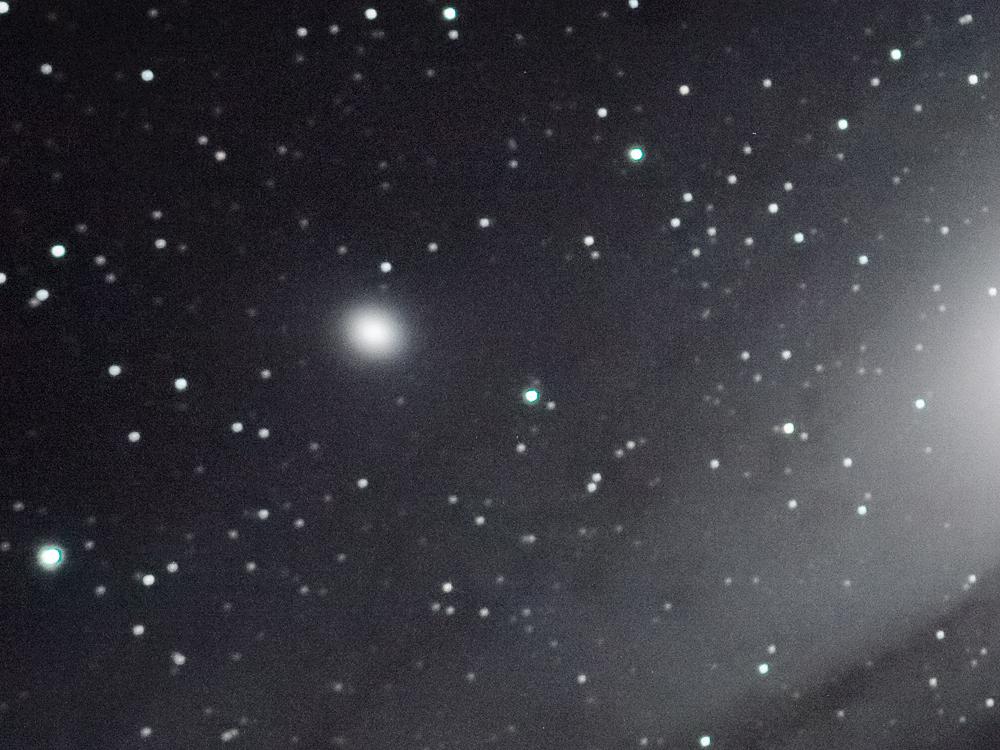
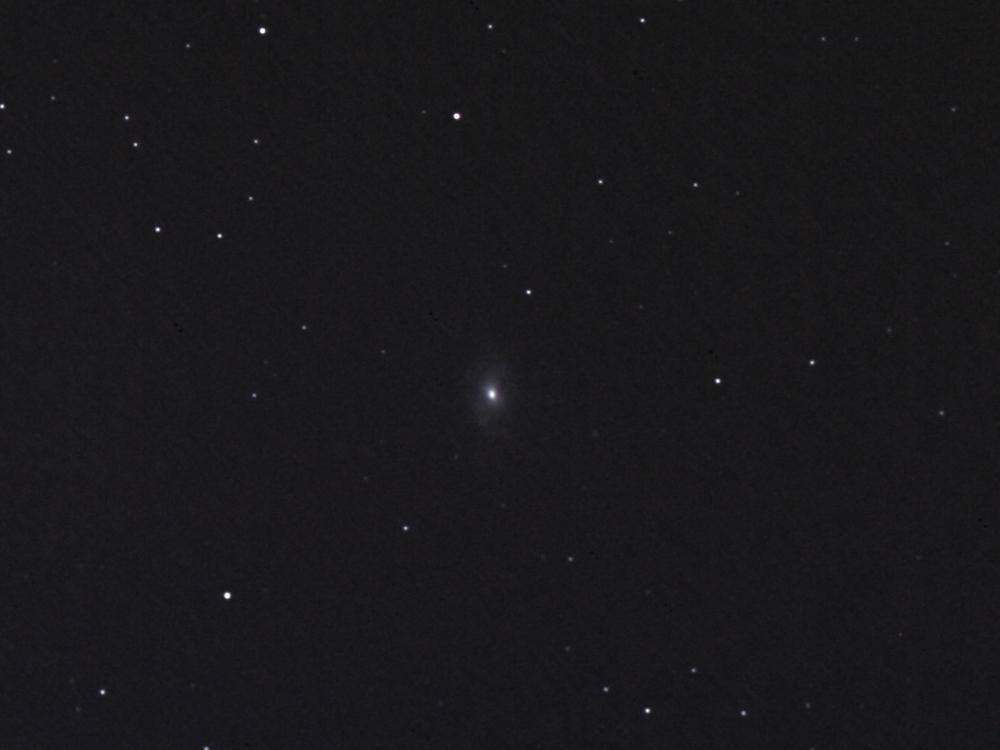
 | M32 Constellation: Type: | Andromeda Elliptical Galaxy | Magnitude: Distance: | 8.08 2,500,000 light-years |
M32 is a dwarf elliptical galaxy in the constellation Andromeda. It was discovered by Le Gentil in 1749. Charles Messier cataloged it in 1764.
M32 is a satellite galaxy of the famous Andromeda Galaxy (M31). Like most elliptical galaxies, M32 is comprised mostly of older faint red and yellow stars. It has practically no dust or gas in it and consequently no current star formation. | |
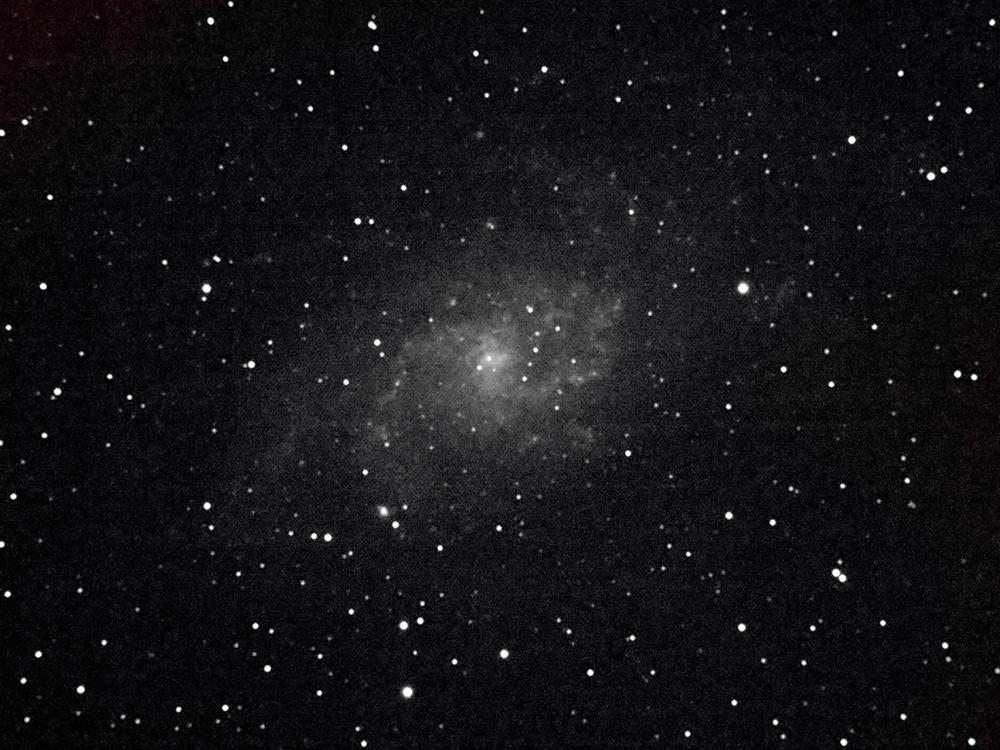
 | M33 - The Triangulum Galaxy Constellation: Type: | Triangulum Spiral Galaxy | Magnitude: Distance: | 5.73 3,000,000 light-years |
M33 is a spiral galaxy in the constellation Triangulum. It is thought to have been discovered by Itallian astronomer Giovanni Battista Hodierna some time before 1654. Charles Messier independently discovered it in 1764.
The Triangulum Galaxy, also sometimes known as the Pinwheel Galaxy, is a member of the local group of galaxies, which include the Milky Way, the Andromeda Galaxy, as well as about 30 other galaxies. It is visible with the naked eye in dark areas unaffected by light pollution, but it is a very diffuse object, which is probably why it was never discovered before the invention of the telescope. | |
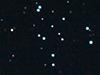 | M34 Constellation: Type: | Perseus Open Cluster | Magnitude: Distance: | 5.50 1,500 light-years |
M34 is an open cluster in the constellation Perseus. Giovanni Batista Hodierna discovered it before 1654 and Charles Messier included it in his catalog in 1764. He discribed it as “A cluster of small stars a little below the parallel of Andromendae. In an ordinary telescope of 3 feet (FL) one can distinquish the stars.”
M34 is estimated to be approximately 200-250 million years old. At least 19 members of this cluster are white dwarfs. | |
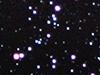 | M35 Constellation: Type: | Gemini Open Cluster | Magnitude: Distance: | 5.30 2,800 light-years |
M35 is an open cluster in the constellation Gemini. Philippe Loys de Chéseaux discovered it in 1745. It was independently discovered by John Bevis before 1750 and Charles Messier cataloged in in 1764. | |
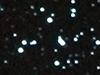 | M36 Constellation: Type: | Auriga Open Cluster | Magnitude: Distance: | 6.30 4,100 light-years |
M36 is an open cluster in the constellation Auriga. Giovanni Batista Hodierna discovered it some time before 1654. Charles Messier cataloged in it 1764.
M36 has about 60 member stars and is very young, only 25 million years old. It is very similar in composition to the more famous Pleiades open cluster (M45) and would be of similar brightness if it were the same distance. | |
 | M37 Constellation: Type: | Auriga Open Cluster | Magnitude: Distance: | 6.20 4,400 light-years |
M37 is an open cluster in the constellation Auriga. Giovanni Batista Hodierna discovered it some time before 1654. Charles Messier independently discovered it in 1764.
With about 500 stars, 150 of them brighter than magnitude 12.5, M37 is the richest open cluster in Auriga. It also contains about a dozen red giants. It is approximately 300 million years old. | |
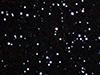 | M38 Constellation: Type: | Auriga Open Cluster | Magnitude: Distance: | 7.40 4,200 light-years |
M38 is an open cluster in the constellation Auriga. Giovanni Batista Hodierna discovered it before 1654, It was independently discovered by Le Gentil in 1749 and Charles Messier added it to his catalog in 1764.nnIts age is estmated at 220 million years. | |
 | M39 Constellation: Type: | Cygnus Open Cluster | Magnitude: Distance: | 4.50 800 light-years |
M39 is an open cluster in the constellation Cygnus. Charles Messier discovered this object in 1764.
At 800 light-years distance, M39 is relatively close to the Solar System and is estimated to be between 200 and 300 million years old. | |
 | M40 - Winnecke 4 Constellation: Type: | Ursa Major Double Star | Magnitude: Distance: | 10.10 510 light-years |
M40, also known Winnecke 4, is a visual double star in the constellation Ursa Major. Charles Messier discovered it in 1764.
This object, by rights, shouldn’t appear in the Messier catalog at all, as it contains no nebulous features at all, being a simple visual double star. While searching for a nebula that Johann Hevelius had reported in the area he failed to find any nebula so he catalogued this object instead. It was rediscovered in 1863 by Friedrich August Theodor Winnecke, from which it gets its name. Robert Burnham called M40 “one of the few real mistakes in the Messier catalog.” | |
 | M41 - The Little Beehive Constellation: Type: | Canis Major Open Cluster | Magnitude: Distance: | 4.50 2,300 light-years |
M41, also known as the Little Beehive, is an open cluster in the constellation Canis Major. Although possibly known to Aristotle as early as 325 BC, the Little Beehive was discovered and catalogued by Giovanni Batista Hodierna before 1654. It was catalogued by Charles Messier in 1765.
The Little Beehive contains about 100 stars including several red giants. Its diameter is approximately 25 light years. Its appearance was described by Walter Scott Houston: “Many visual observers speak of seeing curved lines of stars in M41. Although they seem inconspicuous on photographs, the curves stand out strongly in my 10-inch [reflecting telescope], and the bright red star near the center of the cluster is prominent.” | |
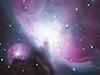 | M42 - The Orion Nebula Constellation: Type: | Orion Diffuse Nebula | Magnitude: Distance: | 4.00 1,344 light-years |
M42, also known as the Orion Nebula, is an emission nebula in the constellation Orion. Although known to the Maya, Nicolas-Claude Fabri de Peiresec is generally credited with its discovery in 1610. It was independently discovered by several prominent astronomers, including Christian Huygens in 1656, and Charles Messier cataloged it in 1769.
The Orion Nebula is one of the brightest nebulae and arguably the most prominent of all the Messier objects. With a magnitude of 4.0, it is easily visible with the naked eye and is situated in Orion’s scabbard or sword just below the famous three stars that comprise Orion’s Belt.nnAs the closest star forming region to the Earth, M42 is one of the most intensely studied and photographed celestial objects and has revealed a great deal about how stars and planetary systems are formed. Approximately 700 stars in various stages of formation have been observed within the nebula. | |
 | M43 - De Mairanâ??s Nebula Constellation: Type: | Orion Diffuse Nebula | Magnitude: Distance: | 9.00 1,600 light-years |
M43, also known as De Mairan's Nebula, is an H II region and emission nebula in the constellation Orion. Jean-Jacques Dortous de Mairan descovered in some time before 1731. Charles Messier catalogued it in 1769.
De Mairan's Nebula is a part of the Orion Nebula. separated visibly by a dark lane of dust. It is also part of the larger Orion Molecular Cloud Complex. | |
 | M44 - The Beehive Cluster Constellation: Type: | Cancer Open Cluster | Magnitude: Distance: | 3.70 600light-years |
M44, also known as the Beehive Cluster or as Praesepe, is an open cluster in the constellation Cancer. This prominant cluster was known in antiquity, Ptolemy called it “the nebulous mass in the breast of Cancer.” It was the one of the first objects studied by Galileo with his telescope in 1609. Charles Messier added it to his catalog in 1769.
This cluster contains about 1000 stars and is estimated to be about 600 million years old. It has experienced mass segregation, the concentration of brighter more massive stars towards its core, with less massive stars inhabiting the halo. | |
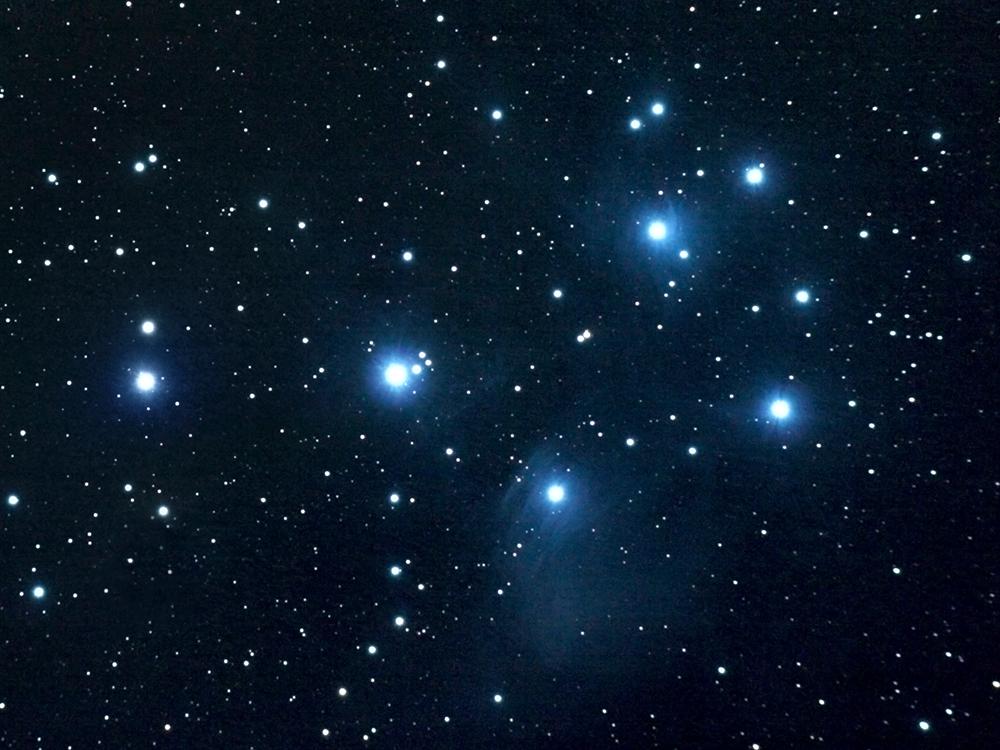
 | M45 - The Pleiades Constellation: Type: | Taurus Open Cluster | Magnitude: Distance: | 1.60 440 light-years |
M45, also known as the Pleiades or as the Seven Sisters, is an open cluster in the constellation Taurus. Known to many cultures since antiquity, the Pleiades was catalogued by Charles Messier in 1771.
The Pleiades is one of the most prominant objects in the night sky. With a magnitude of 1.6 it is easily visible with the naked eye. This cluster is dominated by hot blue stars which are extremely luminous and have formed within the last 100 million years. Dust surrounding the brightest stars forms a reflection nebula that is visible in longer exposure photographs. This nebulousity was once thought to be left over from the formation of the cluster but is now known to be part of the interestellar medium that the cluster is currently passing through. | |
 | M46 Constellation: Type: | Puppis Open Cluster | Magnitude: Distance: | 6.10 5,400 light-years |
M46 is an open cluster in the constellation Puppis. Charles Messier discovered this cluster in 1771. It was discribed by Dreyer as “very bright, very rich, very large.”
M46 contains around 150 stars of mag 10-13 and has a total population of over 500. This cluster is estimated to be approximately 300 million years old. | |
 | M47 Constellation: Type: | Puppis Open Cluster | Magnitude: Distance: | 4.20 1,600 light-years |
M47 is an open cluster in the constellation Puppis. Discovered by Giovanni Batista Hodierna before 1654, it was independently discovered by Charles Messier in 1771.
M47 lies at a distance of about 1,600 light-years from the Solar System. It has an estimated age of 78 million years and contains about 50 stars. | |
 | M48 Constellation: Type: | Hydra Open Cluster | Magnitude: Distance: | 5.50 1,500 light-years |
M48 is an open cluster in the constellation Hydra. Although discovered in 1771 by Charles Messier, credit is sometimes given to Caroline Herschel for its discovery in 1783, as Messier was mistaken in his position of this object giving a declination for it that was off by 5 degrees.
M48 is estimated to be about 300 million years. With a magnitude of 5.5, it is visible to th naked eye in good viewing conditions. | |
 | M49 Constellation: Type: | Virgo Elliptical Galaxy | Magnitude: Distance: | 9.40 49,000,000 light-years |
M49 is an elliptical/lenticular galaxy in the constellation Virgo. Charles Messier discovered it in 1771.
M49 is the brightest member of the Virgo Cluster and is 49 million light-years from the Solar System. | |
 | M50 Constellation: Type: | Monoceros Open Cluster | Magnitude: Distance: | 5.90 3,200 light-years |
M50 is an open cluster in the constellation Monoceros. G. D. Cassini may have discovered M50 before 1711. It was independently discovered by Charles Messier in 1772.nnM50 is described as being a 'heart-shaped' figure. | |
 | M51 - The Whirlpool Galaxy Constellation: Type: | Canes Venatici Spiral Galaxy | Magnitude: Distance: | 8.40 23,000,000 light-years |
M51, also known as the Whirlpool Galaxy, is an interacting spiral galaxy in the constellation Canes Venatici. Charles Messier discovered it in 1774. Its companion galaxy, NGC 5195, was discovered in 1781, by Pierre Méchain. Its spiral structure was not recognized until 1845 by Lord Rosse employing a 72-inch reflecting telescope.
The Whirlpool Galaxy is one of the most famous galaxies. It is a beautiful face-on spiral galaxy that is in active interaction with a companion dwarf galaxy. | |
 | M52 Constellation: Type: | Cassiopeia Open Cluster | Magnitude: Distance: | 5.00 5,000 light-years |
M52 is an open cluster in the constellation Cassiopeia. Charles Messier discovered it in 1774 when the comet of that year came close to it. | |
 | M53 Constellation: Type: | Coma Berenices Globular Cluster | Magnitude: Distance: | 8.33 58,000 light-years |
M53 is a globular cluster in the constellation Coma Berenices. Johann elert Bode discovered this object in 1775. It was independently rediscovered and catalogued by Charles Messier in 1777. | |
 | M54 Constellation: Type: | Sagittarius Globular Cluster | Magnitude: Distance: | 8.37 87,400 light-years |
M54 is a globular cluster in the constellation Sagittarius. It was discovered and catalogued by Charles Messier in 1778.
M54 is one of the denser globular clusters and has a diameter of approximately 300 light-years across. At a distance of 87,000 light-years it is not part of the Milky Way and is actually part of one of its satellite galaxies, the Sagittarius Dwarf Elliptical Galaxy. | |
 | M55 Constellation: Type: | Sagittarius Globular Cluster | Magnitude: Distance: | 7.42 17,300 light-years |
M55 is a globular cluster in the constellation Sagittarius. Nicolas Louis de Lacaille discovered it in 1751 and Charles Messier catalogued it in 1778. | |
 | M56 Constellation: Type: | Lyra Globular Cluster | Magnitude: Distance: | 8.30 32,900 light-years |
M56 is a gobular cluster in the constellation Lyra. Charles Messier discovered this cluster in 1779. | |
 | M57 - The Ring Nebula Constellation: Type: | Lyra Planetary Nebula | Magnitude: Distance: | 8.80 2,300 light-years |
M57, also known as the Ring Nebula, is a planetary nebula in the constellation Lyra. It was discovered by Antoine Darquier de Pellepoix in 1779 only a few days before Charles Messier discovered and catalogued it.
The Ring Nebula is a beautiful and prominent example of a planetary nebula and is a showpiece celestial object of the northern hemiphere. It is very popular amoung amateur astronomers due to its striking and colorful appearance.nnPlanetary nebula are formed hen medium or lower mass stars deplete their hydrogen fuel. The stars outer layers expand and it becomes a red giant. Eventually the outer atmosphere is expelled by hot superwinds forming a spherical or torus shaped nebula.n | |
 | M58 Constellation: Type: | Virgo Spiral Galaxy | Magnitude: Distance: | 10.50 68,000,000 light-years |
M58 is a barred spiral galaxy in the constellation Virgo. It wsa discovered by Charles Messier in 1779.nnM58 is one of the brightest galaxies in the Virgo Cluster. It is one of four barred spiral galaxies in the Messier catalog. It was one of the earliest recognized spiral galaxies. | |
 | M59 Constellation: Type: | Virgo Elliptical Galaxy | Magnitude: Distance: | 10.60 60,000,000 light-years |
M59 is an elliptical galaxy in the constellation Virgo. It was discovered by Johann Gottfried Koehler in 1779 while making observations of a comet. Charles Messier catalogued it a mere three days after Koehler's discover. | |
 | M60 Constellation: Type: | Virgo Elliptical Galaxy | Magnitude: Distance: | 9.80 55,000,000 light-years |
M60 is an elliptical galaxy in the galaxy Virgo. It, along with M59 were discovered by Johann Gottfried Koehler in 1779 while making observations of a comet. Charles Messier catalogued both objects a mere three days after Koehler's discovery.
M60 is the third-brightess elliptical galaxy in the Virgo Cluster. It is in close visual proximity to the spiral galaxy NGC 4647, although the two galaxies are not in gravitational interaction. | |
 | M61 Constellation: Type: | Virgo Spiral Galaxy | Magnitude: Distance: | 10.18 52,500,000 light-years |
M61 is a spiral galaxy in the constellation Virgo. It is one of the larger members of the Virgo Cluster of Galaxies and was discovered by Barnabus Oriani in 1779. Charles Messier catalogued it a mere six days after Oriani’s discovery.
M61 is one of the larger members of the Virgo Cluster, with a diameter similar to the Milky Way galaxy, about 100,000 light-years. There have been six supernovae discovered in M61. | |
 | M62 Constellation: Type: | Ophiuchus Globular Cluster | Magnitude: Distance: | 7.39 22,500 light-years |
M62 is a globular cluster in the constellation Ophiuchus. Charles Messier discovered it in 1771.
This cluster is only 6,100 light-years from the Galactic center | |
 | M63 - The Sunflower Galaxy Constellation: Type: | Canes Venatici Spiral Galaxy | Magnitude: Distance: | 9.30 37,000,000 light-years |
M63, also known as the Sunflower Galaxy, is a spiral galaxy in the constellation Canes Venatici. It was discovered by Pierre Mechain on June 14, 1779 and catalogued by Charles Messier on the very same day. | |
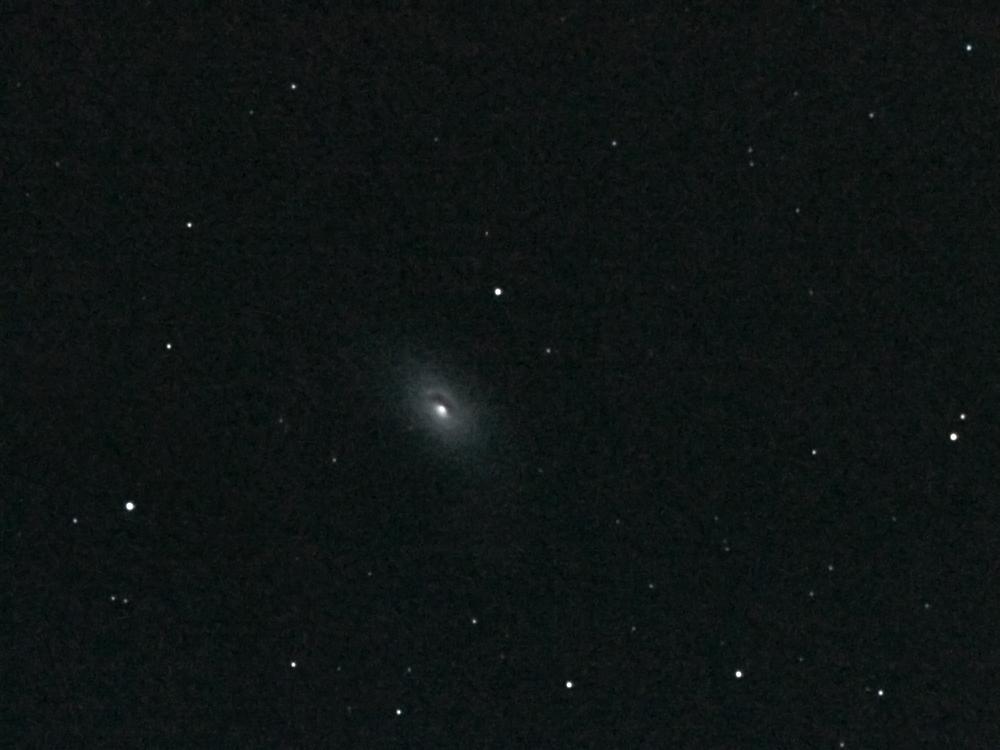
 | M64 - The Black Eye Galaxy Constellation: Type: | Coma Berenices Spiral Galaxy | Magnitude: Distance: | 9.36 24,000,000 light-years |
M64, also known as the Black Eye Galaxy or the Sleeping Beauty Galaxy, is a spiral galaxy in the constellation Coma Berenices. It was discovered by Edward Pigott in 1779. Johann Elert Bode independently discovered it in the same year and Charles Messier in 1780.
The dark dust lane that gives M64 its nickname was discovered by William Herschel in 1785. The unusual structure of this galaxy is believed to be the result of its collison with a satellite galaxy more than a billion years ago. | |
 | M65 Constellation: Type: | Leo Spiral Galaxy | Magnitude: Distance: | 10.25 22,000,000 light-years |
M65 is a spiral galaxy in the constellation Leo. Charles Messier discovered it in 1780.
M65, along with M65 and NGC 3628, make up the famous Leo Triplet, a small group of close galaxies. It has a slightly warped appearance which is suggested to be the result of its interaction with the two other galaxies about 800 million years ago. | |
 | M66 Constellation: Type: | Leo Spiral Galaxy | Magnitude: Distance: | 8.90 36,000,000 light-years |
M66 is a spiral galaxy in the constellation Leo. Charles Messier discovered it in 1780.
M66 is a member of the famous Leo Triplet, a close group of galaxies that includes M65, M66 and NGC 3628. It has a distorted appearance due to gravitaional interaction with NGC 3628, and to a lesser extent M65, about 800 million years ago. | |
 | M67 Constellation: Type: | Cancer Open Cluster | Magnitude: Distance: | 6.10 2,700 light-years |
M67 is an open cluster in the constellation Cancer. Johann Gottfried Koehler discovered it in 1779. Charles Messier independently discovered and catlogued it in 1780.
M67 is estimated to be between 3.2 and 5 billion years old, which makes it similar in age to the Sun. It contains more than 100 stars that are very similar to the Sun. This, its nearnes, along with the fact that it is one of the oldest known open clusters makes it a standard example for studying stellar evolution. | |
 | M68 Constellation: Type: | Hydra Globular Cluster | Magnitude: Distance: | 9.67 33,000 light-years |
M68 is a globular cluster in the constellation Hydra. Charles Messier discovered it in 1780. It was first resolved into individual stars by William Herschel in 1786. | |
 | M69 Constellation: Type: | Sagittarius Globular Cluster | Magnitude: Distance: | 8.31 29,700 light-years |
M69 is a globular cluster in the constellation Sagittarius. Officially discovered by Charles Messier in 1780, it may have been described by LaCaille in 1751-1752.nnWith a radius of only 42 light-years, it is one of the smaller fainter globular clusters in the Messier Catalog. | |
 | M70 Constellation: Type: | Sagittarius Globular Cluster | Magnitude: Distance: | 8.00 29,300 light-years |
M70 is a globular cluster in the constellation Sagittarius. It was discovered by Charles Messier in 1780.
This cluster is very similar to its near neighbor M69. Only 1,800 light-years separate these two objects, which are among the smaller and fainter globular clusters in the Messier Catalog. It lies very close to the Galactic Center. | |
 | M71 Constellation: Type: | Sagitta Globular Cluster | Magnitude: Distance: | 6.10 12,000 light-years |
M71 is a globular cluster in the constellation Sagitta. Discovered in 1746 by Philippe Loys de Chéseaux, Charles Messier catalogued it in 1780.
M71 is a very loose globular cluster and was at one time classified as a dense open cluster. it has a relatively young age for a globular cluster of 9-10 billion years old. It has the luminosity of about 13,200 suns. | |
 | M72 Constellation: Type: | Aquarius Globular Cluster | Magnitude: Distance: | 9.30 62,000 light-years |
M72 is a globular cluster in the constellation Aquarius. Discovered by Pierre Méchain in the August, 1780, Charles Messier included it is his catalog in October of that year. Both men believed it to be a faint nebula.
M72, considered a younger globular cluster, is one of the smaller and fainter clusters in the Messier catalog. Quite distant, it lies well beyond the Galactic Center at around 62,000 light-years distance. | |
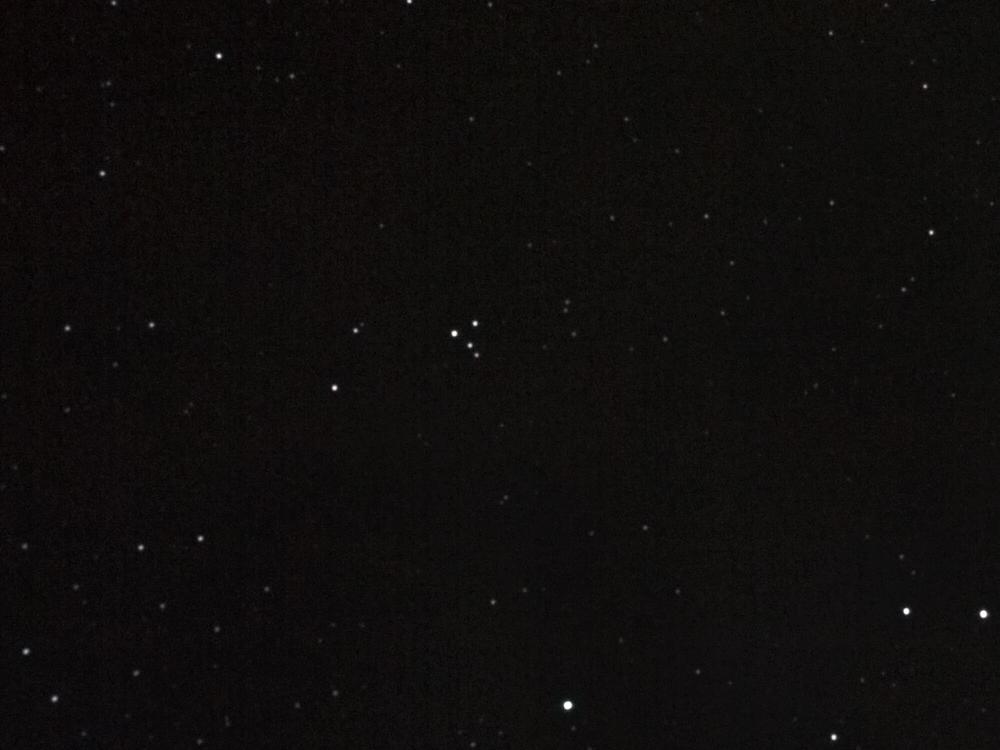
 | M73 Constellation: Type: | Aquarius Asterism | Magnitude: Distance: | 9.00 2,500 light-years |
M73 is an asterism containing four stars in the constellation Aquarius. Charles Messier discovered this object in 1780 and described it as a cluster of four stars with some nebulosity. John Herschel failed to detect any nebulosity in subsequent observations.
M73 is one of the best known asterisms and the question of whether it is an asterism or an open cluster generated some scientific debate. This controversy wasn't finally resolved until 2002, when M Odenkirchen and C. Soubrian put the matter to rest with an analysis of the spectra of the brightest stars in and around M73. | |
 | M74 Constellation: Type: | Pisces Spiral Galaxy | Magnitude: Distance: | 10.00 30,000,000 light-years |
M74 is a spiral galaxy in the constellation Pisces. It was discovered by Pierre Méchain in September of 1780 and cataloged by Charles Messier in October of that year. nnM74's low surface brightness make it a difficult object to observe but it is one of the most beautiful face-on spiral galaxies in the sky photographically. | |
 | M75 Constellation: Type: | Sagittarius Globular Cluster | Magnitude: Distance: | 9.18 67,500 light-years |
M75 is a globular cluster in the constellation Sagittarius. Pierre Méchain discovered it in 1780 and Charles Messier added it to his catalog later the same year. William Herschel resolved it into individual stars.nnDue to its distance, M75 is one of the fainter globular clusters in the Messier Catalog. | |
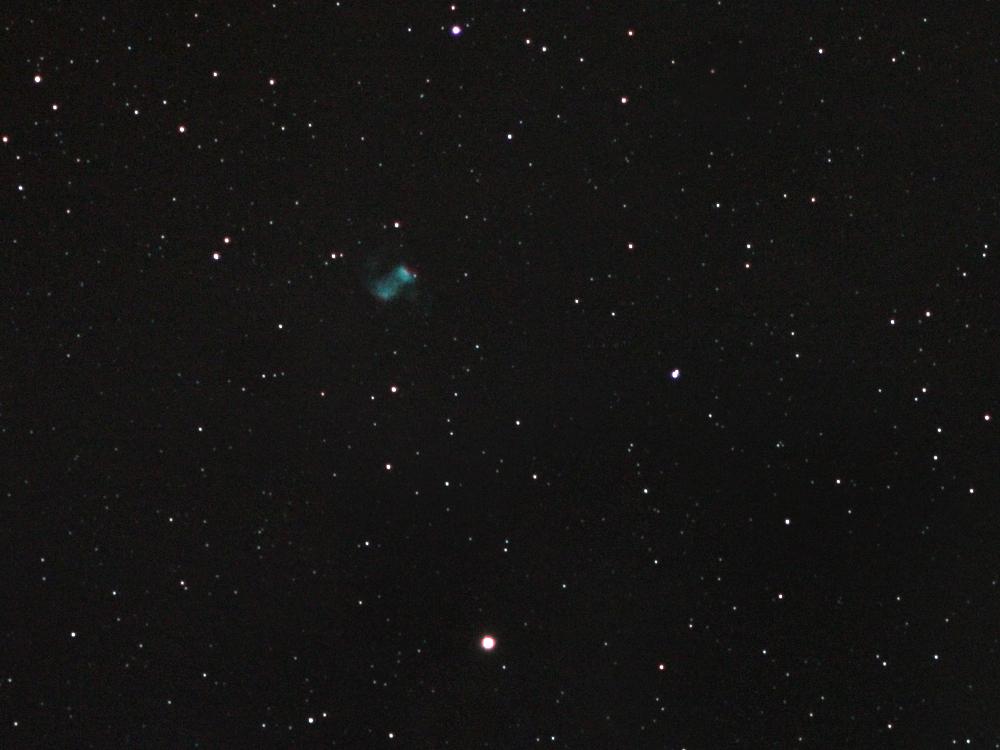
 | M76 - The Little Dumbbell Nebula Constellation: Type: | Perseus Planetary Nebula | Magnitude: Distance: | 10.10 2,500 light-years |
M76, also known as the Little Dumbbell Nebula, the Barbell Nebula, the Butterfly Nebula or the Cork Nebula, is a planetary nebula in the constellation Perseus. Pierre Méchain discovered this object in 1780 and Charles Messier included it in the Messier Catalog in the same year. Heber Doust Curtis first recognized it as a planetary nebula in 1918.
The Little Dumbbell Nebula is one of the fainter Messier objects. Its distance is poorly known, as in not unusual with planetary, but is estimated to be about 2,500 light-years. | |
 | M77 Constellation: Type: | Cetus Spiral Galaxy | Magnitude: Distance: | 9.60 47,000,000 light-years |
M77 is a barred spiral galaxy in the constellation Cetus. Pierre Méchain discovered it in 1780. Charles Messier added it to his catalog the same year. Both Messier and William Herschel described M77 as a star cluster.nnWith a diameter of 170,000 light-years, M77 is the brightest and nearest Seyfert. It is an active galaxy with an Active Galactic Mucleus. | |
 | M78 Constellation: Type: | Orion Diffuse Nebula | Magnitude: Distance: | 8.30 1,600 light-years |
M78 is a reflection nebula in the constellation Orion. Discovered in 1780 by Pierre Méchain, it was added to his catalog by Charles Messier in the same year.
Two stars of 10th magnitude, HD 38563A and HD 38563B, are responsible making M78 visble. The light from these two stars reflects off the interstellar dust that comprises the nebula, making it visible. | |
 | M79 Constellation: Type: | Lepus Globular Cluster | Magnitude: Distance: | 8.56 41,000 light-years |
M79 is a globular cluster in the constellation Lepus. Pierre Méchain discovered it in 1780 and Charles Messier catalogued it the same year.
M79 is about 41,000 light-years from the Solar System, but some 60,000 light-years from the Galactic Center, an unusual position for a globular cluster. It is believed that It is not part of the Milky Way at all, but is instead part of the Canis Major Dwarf Galaxy, one of several close dwarf galaxies that are currently gravitionally interacting with the Milky Way. | |
 | M80 Constellation: Type: | Scorpius Globular Cluster | Magnitude: Distance: | 7.87 32,600 light-years |
M80 is a globular cluster in the constellation Scorpius. Charles Messier discovered it in 1781.
M80 contains several hundred thousand stars and is one of the more densely populated globular clusters. | |
 | M81 - Bode’s Galaxy Constellation: Type: | Ursa Major Spiral Galaxy | Magnitude: Distance: | 6.94 11,800,000 light-years |
M81, also known as Bode's Galaxy, is a spiral galaxy in the constellation Ursa Major. It was discovered by Johann Elert Bode in 1774. It was rediscovered by Pierre Méchain in 1779 and Charles Messier catalogued it later the same year.nnBode's Galaxy is one of the most conspicuous galaxies in the sky. A beautiful spiral galaxy with near perfect arms, it is one of the closest galaxies beyond the Local Group. It is in the process of gravitationally interacting with nearby galaxies M82 and NGC 3077. | |
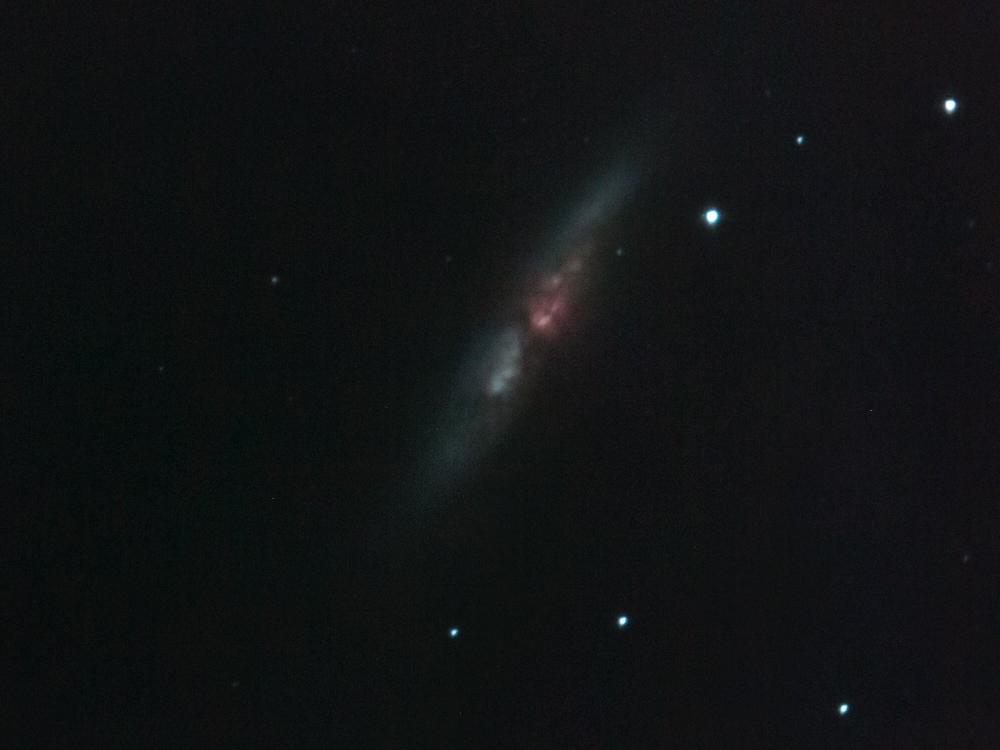
 | M82 - The Cigar Galaxy Constellation: Type: | Ursa Major Irregular Galaxy | Magnitude: Distance: | 8.41 11,500,000 light-years |
M82, also known as the Cigar Galaxy, is a starburst galaxy in Ursa Major. Johann Elert Bode discovered it on December 31, 1774, the same night he discovered M81, also known as Bode's Galaxy. It as independently rediscovered by Pierre Méchain in 1779 and catalogued by Charles Messier later the same year.
The Cigar Galaxy is a trully remarkable galaxy. It is famous for its heavy star-forming activity and is considered the prototype of the class of starbursting galaxies. A semi-recent close encounter with Bode's Galaxy resulted in a large amount of gas being channeled into the galaxy's core over the past 200 million years, thus triggering a 10 fold increase in star formation over “normal” galaxies.n | |
 | M83 - The Southern Pinwheel Galaxy Constellation: Type: | Hydra Spiral Galaxy | Magnitude: Distance: | 7.54 14,700,000 light-years |
M83, also known as the Southern PinWheel Galaxy, is an intermediate spiral galaxy in the constellation Hydra. It was discovered by Nicholas Louis de Lacaille in 1752 at the Cape of Good Hope. Charles Messier added it to his catalog in 1781.
The Southern Pinwheel Galaxy is beautifull example a face-on barred spiral galaxy. It one of the most conspicuous galaxies in the sky and is visible with binoculars. | |
 | M84 Constellation: Type: | Virgo Elliptical Galaxy | Magnitude: Distance: | 10.10 60,000,000 light-years |
M84 is a giant lenticular or elliptical galaxy in the constellation Virgo. Charles Messier catalogued it on March 18, 1781, the same day he catalogued 7 other objects, all member galaxies of the Virgo Cluster of Galaxies.
M84 is one of the brightest galaxies in the famous Virgo Cluster of Galaxies, which contains some 1300 member galaxies. | |
 | M85 Constellation: Type: | Coma Berenices Elliptical Galaxy | Magnitude: Distance: | 10.00 60,000,000 light-years |
M85 is a lenticular galaxy in the constellation Coma Berenices. Discovered in 1781 be Pierre Méchain, it was catalogued by Charles Messier later the same year.
M85 is the northernmost member of the Virgo Cluster of Galaxies. It is a luminous galaxy that closely resembles M84. | |
 | M86 Constellation: Type: | Virgo Elliptical Galaxy | Magnitude: Distance: | 9.80 52,000,000 light-years |
M86 is a giant lenticular or elliptical galaxy in the constellation Virgo. Charles Messier discovered this object in 1781.
M86 is a member of the Virgo Cluster of Galaxies, a large group of galaxies with approximately 1300 members. M86 lies at the heart of this group . | |
 | M87 Constellation: Type: | Virgo Elliptical Galaxy | Magnitude: Distance: | 9.59 55,000,000 light-years |
M87 is a giant elliptical galaxy in the constellation Virgo. Charles Messier discovered this object on March 18, 1781, the same night he catalogued 8 other objects.
M87 is a member of the Virgo Cluster of Galaxies, a large group of galaxies with approximately 1300 members. M87 lies at the heart of this group and is perhaps its most dominant member. It has an estmated diameter of 120,000 light-years and contains approximately 12,000 globular clusters. | |
 | M88 Constellation: Type: | Coma Berenices Spiral Galaxy | Magnitude: Distance: | 10.40 47,000,000 light-years |
M88 is a spiral galaxy in the constellation Coma Berenices. Charles Messier discovered it, along with 7 other gallaxies in the Virgo Cluster of Galaxies on March 18, 1781. Lord Rosse first recognized it as a spiral galaxy in 1850.
A member of the Virgo Cluster of Galaxies, M88 is one of fifteen Messier Objects that is. | |
 | M89 Constellation: Type: | Virgo Elliptical Galaxy | Magnitude: Distance: | 10.73 50,000,000 light-years |
M89 is an elliptical galaxy in the constellation Coma Berenices. Charles Messier discovered it, along with 7 other gallaxies in the Virgo Cluster of Galaxies on March 18, 1781.
M89, unlike most elliptical galaxies, which are relatively elongated ellipsoids, is nearly spherical in shape. It is surrounded by a huge structure of gas and dust that extends some 150,000 light-years from the galaxy, leading to speculation that it may have once been an active quasar or radio galaxy. | |
 | M90 Constellation: Type: | Virgo Spiral Galaxy | Magnitude: Distance: | 10.36 60,000,000 light-years |
M90 is a spiral galaxy in the constellation Virgo. Charles Messier discovered it, along with 7 other gallaxies in the Virgo Cluster of Galaxies on March 18, 1781.
M90 is a member of the Virgo Cluster of Galaxies and is one of its brighter spiral galaxies. Due to interaction with the intracluster medium of the Virgo Cluster its spiral arms have been stripped of interstellar medium, leading to the “fossilization” of its star formation. Due to this lack of star forming regions, its spiral arms appear smooth and featureless. | |
 | M91 Constellation: Type: | Coma Berenices Spiral Galaxy | Magnitude: Distance: | 11.00 63,000,000 light-years |
M91 is a barred spiral galaxy in the constellation Coma Berenices. Discovered in 1781 by Charles Messier, it was independently rediscovered by William Herschel in 1784.
A member of the Virgo Cluster of Galaxies, M91 is a nice example of a barred spiral galaxy. As the faintest Messier object, it one of the most difficult for the amateur astronomer. | |
 | M92 Constellation: Type: | Hercules Globular Cluster | Magnitude: Distance: | 6.30 26,000 light-years |
M92 is a globular cluster in the constellation Hercules. Johann Elert Bode discovered it in 1777. It was independently rediscovered by Charles Messier in 1781. William Herschel first resolved it into stars in 1783.
One of the brighter globular clusters in the northern hemisphere, M92 is a splendid object, yet is frequently overlooked by amateur astronomers in favor of the slightly brighter M13, also in Hercules. | |
 | M93 Constellation: Type: | Puppis Open Cluster | Magnitude: Distance: | 6.00 3,600 light-years |
M93 is an open cluster in the constellation Puppis. Charles Messier discovered it in 1781. It was one of the last deep sky objects discovered by him.nnM93 is a nice little open cluster containing about 80 stars. It is estimated to be about 100 million years old. | |
 | M94 Constellation: Type: | Canes Venatici Spiral Galaxy | Magnitude: Distance: | 8.99 16,000,000 light-years |
M94 is a spiral galaxy in the constellation Canes Venatici. Discovered by Pierre Méchain in 1781, it was catalogued by Charles Messier two days later. | |
 | M95 Constellation: Type: | Leo Spiral Galaxy | Magnitude: Distance: | 11.40 32,600,000 light-years |
M95 is a barred spiral galaxy in the constellation Leo. Discovered by Pierre Méchain in 1781, it was catalogued by Charles Messier four days later.
Though one of the fainter Messier objects, M95 is a beautiful example of a barred spiral galaxy. | |
 | M96 Constellation: Type: | Leo Spiral Galaxy | Magnitude: Distance: | 10.10 31,000,000 light-years |
M96 is a spiral galaxy in the constellation Leo. Discovered by Pierre Méchain in 1781, it was catalogued by Charles Messier four days later. Its spiral structure was not recognized until 1850 by Lord Rosse, who listed it as one of 14 “spiral nebulae”.
M96 is the brightest galaxy within the M96 Group, a small group of galaxies in Leo that also contains M95, M105 and nine other galaxies. | |
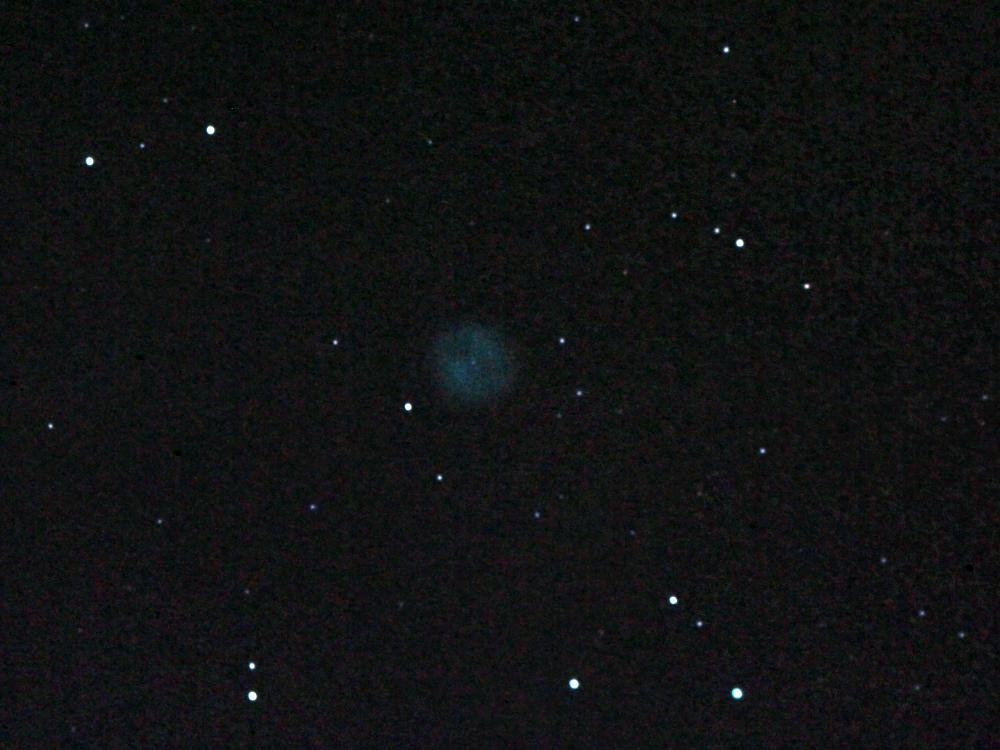
 | M97 - The Owl Nebula Constellation: Type: | Ursa Major Planetary Nebula | Magnitude: Distance: | 9.90 2,600 light-years |
M97, also known as the Owl Nebula, is a planetary nebula in the constellation Ursa Major. Pierre Méchain discovered this object in 1781 and Charles Messier catalogued it the same year.
Although one of the fainter Messier objects, the Owl Nebula, like most planetary nebula, is quite beautiful when photographed. It is about 6,000 years in age. | |
 | M98 Constellation: Type: | Coma Berenices Spiral Galaxy | Magnitude: Distance: | 11.00 60,000,000 light-yearsn60,000,000 light-years |
M98 is a spiral galaxy in the constellation Coma Berenices. Pierre Méchain discovered M98, along with M99 and M100 on March 15 1781. Charles Messier charted its position and catalogued it in April of the same year.nnA member of the Virgo Cluster of Galaxies, M98 is one of the fainter Messier objects with a magnitude of 11.0. Seen nearly edge-on, it is one of the more difficult objects to observe. | |
 | M99 Constellation: Type: | Coma Berenices Spiral Galaxy | Magnitude: Distance: | 10.40 60,000,000 light-years |
M99 is an unbarred spiral galaxy in the constellation Coma Berenices. Pierre Méchain discovered it, along with M98 and M100, on March 15, 1781. Charles Messier catalogued it in April of that year. It was the second galaxy, after M51, recognized to have a spiral structure by Lord Rosse in 1846.
M99 is a beautiful spiral galaxy seen nearly face on. It is one of the brighter spiral galaxies in the Virgo Cluster of Galaxies. Its spiral arms have been distorted by its gravitational interaction with the dark galaxy VIRGOHI21. | |
 | M100 Constellation: Type: | Coma Berenices Spiral Galaxy | Magnitude: Distance: | 10.10 55,000,000 light-years |
M100 is a spiral galaxy in the constellation Coma Berenices. Discovered by Pierre Méchain on March 15, 1781, along with M98 and M99, it was catalogued by Charles Messier in April of that year. It was one of the first object recognized to have a spiral structure by Lord William Parsons of Rosse and was listed by him as one of 14 “spiral nebulae” in 1850.
M100 is a beautiful example of a nearly face-on grand-design spiral galaxy. One of the brightest members of the Virgo Cluster of Galaxies, it has been imaged extensively by the Hubble Space Telescope. | |
 | M101 - The Pinwheel Galaxy Constellation: Type: | Ursa Major Spiral Galaxy | Magnitude: Distance: | 7.86 27,000,000 light-years |
M101, also known as the Pinwheel Galaxy, is a face-on spiral galaxy in the constrellation Ursa Major. First discovered by Pierre Méchain in March, 1781, it was catalogued by Charles Messier shortly thereafter and was one of his last entries in the Messier Catalog. Its spiral structure was first identified by William Parson, Lord Rosse, in 1851 with his 72-inch Newtonian reflector.nnAt a distance of 27,000,000 light-years the Pinwheel galaxy is relatively close for a galaxy. Although its magnitude is also relatively bright at 7.86, that brightness is spread over nearly 30 minutes of arc, making the overall brightness of the galaxy quite dim. Only the bright central region may be seen with smaller telescopes. Long exposure photographs,however, reveal a gorgeous galaxy with remarkably asymetrical arms and a core that is displaced from its center.nn | |
 | M102 - The Spindle Galaxy Constellation: Type: | Draco Spiral Galaxy | Magnitude: Distance: | 10.70 50,000,000 light-years |
M102 is a galaxy in the Messier Catalogue that has not been unambiguously identified. Pierre Méchain, who orginally discovered it in 1781, later claimed that it was an accidently duplication of M101. Many astronomers and historians, however, believe that the galaxy in question is actually NGC 5866, also known as the Spindle Galaxy.
The Spindle Galaxy is a lenticular or spiral galaxy in the constellation Draco. Its most notable feature is an extended dust disk. Since the galaxy is seen nearly edge on, it is unknown whether this disk is a ring-like structure or part or spiral arms. | |
 | M103 Constellation: Type: | Cassiopeia Open Cluster | Magnitude: Distance: | 7.40 8,500 light-years |
M103 is an open cluster in the constellation Cassiopeia. It was discovered by Pierre Méchain in 1781. Charles Messier included it in his catalog based on Méchain's report. It was the last object that he catalogued.nn | |
 | M104 - The Sombrero Galaxy Constellation: Type: | Virgo Spiral Galaxy | Magnitude: Distance: | 8.98 29,300,000 light-years |
M104, also known as the Sombrero Galaxy, is an unbarred spiral galaxy in the constellation Virgo. Originally discovered by Pierre Méchain in 1767, this object was described in a hand-written note by Charles Messier along with five other objects, now know as Messier objects M104-M109. Camille Flammarion added it to the Messier Catalog in 1921.
Photographically, the Sombrero Galaxy is one of the most beautiful in the sky. Its prominant dust lane and extensive halo give it a unique and striking appearance. | |
 | M105 Constellation: Type: | Leo Elliptical Galaxy | Magnitude: Distance: | 10.20 32,000,000 light-years |
M105 is an elliptical galaxy is the constellation Leo. It was discovered by Pierre Méchain in 1781. It is one of several objects that were not originally included by Charles Messier in his calalog, but was later added when Helen S. Hogg found a letter by Messier describing them. It was added to the official Messier Catalog in 1947.
M105 is the brightest elliptical galaxy in the M96 Group, a group of several galaxies that also includes M95 and M96. Investigations by the Hubble Space Telescope have revealed a massive central object with a mass of 50 million solar masses in its nuvcleus. | |
 | M106 Constellation: Type: | Canes Venatici Spiral Galaxy | Magnitude: Distance: | 9.10 23,700,000 light-years |
M106 is a spiralgalaxy is the constellation Canes Venatici. Discovered by Pierre Méchain in 1781, it is one of several objects that were not originally included by Charles Messier in his calalog but was later added when Helen S. Hogg found a letter by Messier describing them. It was added to the official Messier Catalog in 1947.nn | |
 | M107 Constellation: Type: | Ophiuchus Globular Cluster | Magnitude: Distance: | 8.85 20,900 light-years |
M107 is a globular cluster is the constellation Ophiuchus. It was discovered by Pierre Méchain in 1782 and is one of several objects that were not originally included by Charles Messier in his calalog, but was later added when Helen S. Hogg found a letter by Messier describing them. It was added to the official Messier Catalog in 1947.
M107 is a fairly loose globular cluster that is close to the galactic plane. It is known to contain 25 variable stars. | |
 | M108 Constellation: Type: | Ursa Major Spiral Galaxy | Magnitude: Distance: | 10.70 14,100,000 light-years |
M108 is a barred spiral galaxy is the constellation Ursa Major. It was discovered by Pierre Méchain in 1781 or 1782 and is one of several objects that were not originally included by Charles Messier in his calalog. It was added by Owen Gingerich in 1953.
A nice edge-on spiral galaxy, M108 has no central bulge or pronounced core and there is little evidence of a well-defined spiral pattern. | |
 | M109 Constellation: Type: | Ursa Major Spiral Galaxy | Magnitude: Distance: | 10.60 10.6 |
M109 is a barred spiral galaxy is the constellation Ursa Major. Discovered by Pierre Méchain in 1781. It is one of several objects that were not originally included by Charles Messier in his calalog. It was added to the official Messier Catalog in 1953 by Owen Gingerich.
M109 is the brightest member of the M109 Group, or Ursa Major Cluster, a group of galaxies located in Ursa Major that contains about 79 galaxies. | |
 | M110 Constellation: Type: | Andromeda Elliptical Galaxy | Magnitude: Distance: | 8.92 2,690,000 light-years |
M110 is a dwarf elliptical galaxy in the constellation Andromeda. It was discovered by Charles Messier in 1773. Although he never included it in his catalog, Messier did depict it in a drawing he did on M31, of which M110 is a companion galaxy. Caroline Herschel independently discovered it in 1783 and William Herschel catalogued it in 1784. It was added to the official Messier Catalog in 1966 by Kenneth Glyn Jones.nnA small elliptical galaxy, M110 is a satellite of M31, the Anromeda Galaxy. | |
|